Liability in a Kansas City Uber Crash: What Injured Victims Need to Know
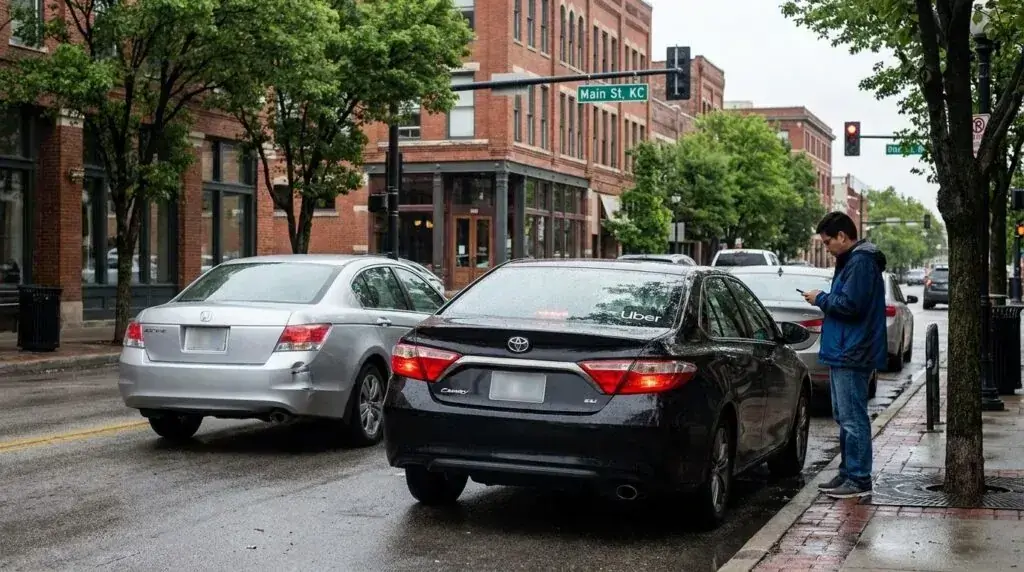
When an Uber driver causes a serious collision in Kansas City, liability may fall on multiple parties, including the driver, the rideshare company, and third-party insurers. Understanding who bears responsibility is essential when navigating the aftermath of a rideshare crash that left you with head injuries, spinal damage, or other life-altering harm. Missouri law establishes a layered insurance framework for transportation network companies (TNCs) that directly affects who pays and available coverage. Liability depends on the driver’s app status, the nature of negligence, and how aggressively your legal team pursues every source of recovery.
Horn Law moves quickly after an accident, knows how stronger cases are built, and handles every case with the goal of maximizing recovery. If you or someone you care about has been injured, contact us today at 816-795-7500 to get same day representation and personalized legal guidance.
How Missouri Law Defines Rideshare Insurance Coverage Periods
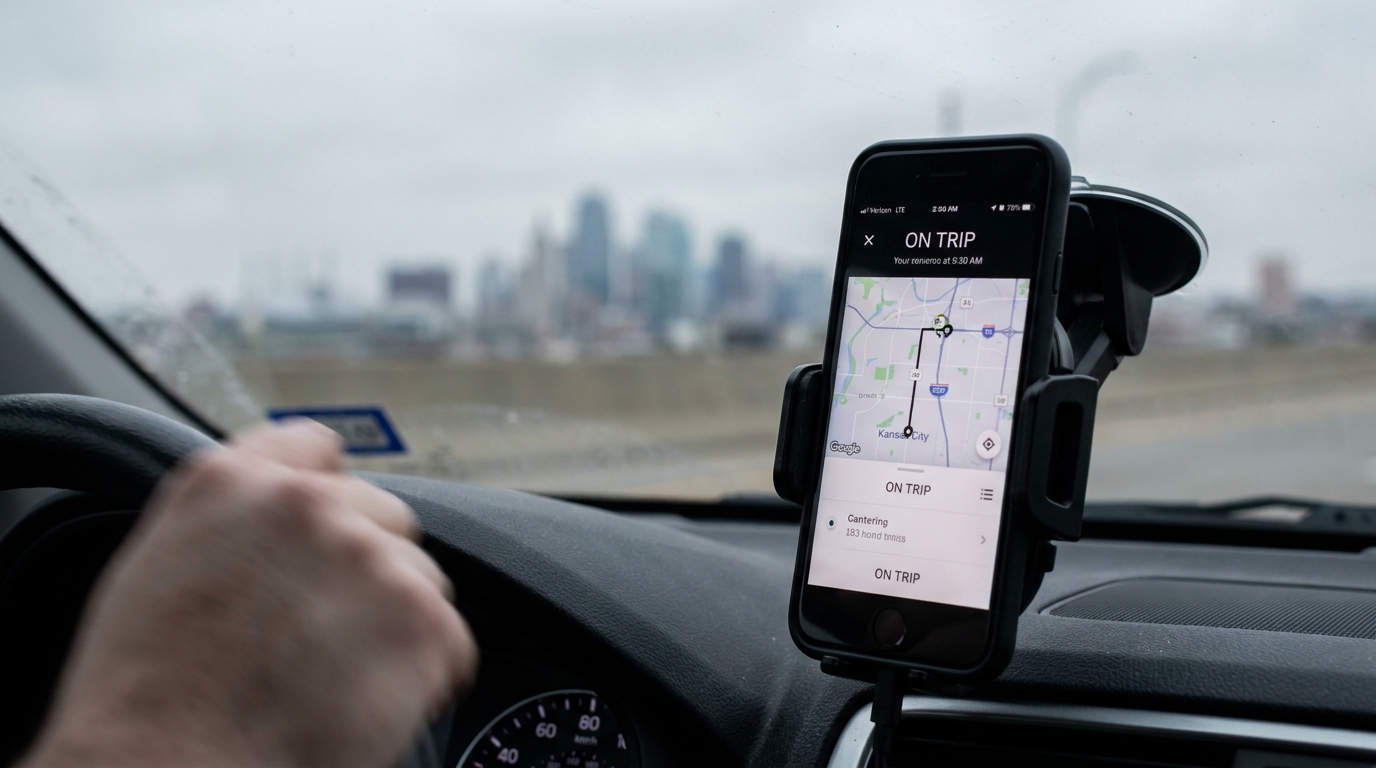
The amount of insurance coverage available after an Uber or Lyft crash in Missouri depends entirely on which "period" the driver was in at the time of collision. The National Association of Insurance Commissioners (NAIC) identifies three distinct periods: Period 1, when the app is on and the driver is waiting for a ride request; Period 2, when a ride request has been accepted and the driver is en route; and Period 3, when the passenger is in the vehicle. Each period triggers different minimum coverage requirements.
Period 1: App On, Waiting for a Request
During Period 1, coverage is at its lowest level. Under Missouri Revised Statutes § 379.1702(2)(1), the minimum liability coverage while a TNC driver is logged on but has not yet accepted a ride is $50,000 for death and bodily injury per person, $100,000 per incident, and $25,000 for property damage. These limits may fall short of what is needed when someone suffers a traumatic brain injury, cervical fractures, or other catastrophic harm.
Period 2 and Period 3: Higher Coverage, Greater Accountability
Once a driver accepts a ride request or has a passenger in the vehicle, required coverage increases substantially. Missouri Revised Statutes § 379.1702(3)(1) mandates primary automobile liability insurance of at least $1 million for death, bodily injury, and property damage during a prearranged ride. This coverage applies whether you were the passenger, a pedestrian, or another motorist struck by the rideshare driver.
| Coverage Period | Driver Status | Missouri Minimum Liability |
|---|---|---|
| Period 1 | App on, no ride accepted | $50,000 / $100,000 / $25,000 |
| Period 2 | Ride accepted, en route to passenger | $1,000,000 combined |
| Period 3 | Passenger in the vehicle | $1,000,000 combined |
💡 Pro Tip: After a rideshare crash, the driver is required under § 379.1702(8) to carry proof of insurance coverage and provide that information to interested parties and investigating police officers under § 303.024. Ensure this information is documented in the police report, as it directly determines which insurance coverage applies.
Why Your Personal Auto Policy May Not Protect You as a Rideshare Driver
If you were driving for Uber or Lyft when a crash occurred, your personal auto insurance likely will not cover the accident. Under Missouri Revised Statutes § 379.1708(1), insurers may exclude or limit all coverage under a personal auto policy for any loss or injury that occurs while a driver is logged on to a TNC’s digital network or transporting passengers for compensation.
Missouri law addresses this gap with important safeguards. Under § 379.1702(4), if a driver’s personal insurance has lapsed or is insufficient, the TNC’s insurance must cover the claim from the first dollar. Additionally, § 379.1702(5) makes clear that coverage under the TNC’s policy cannot be contingent on the driver’s personal insurer first denying a claim. These provisions matter when pursuing compensation for serious injuries requiring long-term care, physical therapy, or surgical intervention.
💡 Pro Tip: Do not accept an insurance company’s first explanation of coverage at face value. An experienced Uber accident attorney in KC can identify every available source of recovery to ensure your claim reflects the full extent of your injuries.
Uber Accident Lawyer Kansas City: Holding the Company Accountable Beyond Insurance
Rideshare companies can face liability that extends well beyond their insurance obligations. In a landmark 2025 decision, the Missouri Court of Appeals ruled that the Lyft app itself can be considered a "product" for purposes of product liability claims, opening the door for defective design and failure-to-warn theories against rideshare companies in Missouri. The court reversed the lower court’s dismissal, allowing the plaintiff to proceed with strict liability and negligence theories.
Negligence Claims Against Rideshare Companies
Beyond product liability, plaintiffs may also pursue direct negligence claims against Uber or Lyft. In the same Missouri appellate case, the plaintiff argued that the trial court erred in dismissing negligent training (Count IV) and general negligence (Count V) claims against Lyft. The negligent training claim was based on Lyft’s failure to train its driver to identify dangerous situations, while the general negligence claim was grounded in Lyft’s duty to protect its drivers from foreseeable harm caused by fraudulent ride requests. The identity verification and anti-fraud safeguards allegations were the basis of the product liability claims (Counts I-III), not the negligent training and general negligence counts.
When Driver Misconduct Goes Beyond a Traffic Accident
Rideshare liability is not limited to car crashes alone. The Missouri case also involved assault and battery claims against the rideshare driver, along with a civil conspiracy claim. This demonstrates that when a rideshare driver engages in violent or intentional misconduct, injured victims may pursue claims against both the driver and the company under multiple legal theories. For families dealing with the trauma of a violent rideshare-related incident, understanding the full range of available claims is essential.
💡 Pro Tip: Missouri allows product liability claims under both strict liability and negligence theories. If a rideshare app’s design contributed to your injuries through inadequate safety features, poor driver screening tools, or failure to warn of known risks, these claims may significantly increase your case value.
Protecting Your Claim After a Serious Rideshare Crash in Kansas City
The decisions you make in the first hours and days after a rideshare collision directly shape the strength of your case. Evidence from rideshare accidents can disappear quickly. App data, driver logs, GPS records, and internal communications are controlled by the rideshare company and may be overwritten or deleted without prompt legal action. Securing a litigation hold on this digital evidence is something your attorney should pursue immediately.
Horn Law’s approach of immediate control after the crash, knowing how stronger cases are built, and maximizing recovery reflects what is needed in these complex claims. When facing weeks or months of rehabilitation for neck injuries, concussions, or spinal damage, the legal foundation must be set correctly from day one to capture the full value of your long-term medical needs, lost income, and diminished quality of life.
💡 Pro Tip: Request same day representation when you contact an attorney. Horn Law can begin working on your case the moment you call at 816-795-7500, and the entire process can be handled digitally so you never need to leave home while recovering.
The Missouri Statute of Limitations and Why Timing Matters
Missouri generally imposes a five-year statute of limitations for personal injury claims under Missouri Revised Statutes § 516.120, but waiting to act can significantly weaken your case. While this deadline provides a window for filing suit, the real urgency lies in evidence preservation. Rideshare companies have no obligation to preserve app data, driver records, or internal safety reports unless they are on notice of a legal claim.
Certain circumstances may alter the applicable deadline. Tolling provisions may apply when the injured party is under age 21 or is mentally incapacitated under § 516.170, but courts generally interpret these exceptions narrowly. Relying on the outer limit of any filing deadline without taking early legal action is a risk that can compromise an otherwise strong Uber injury claim in Kansas City.
💡 Pro Tip: Even if you believe you have years to file, contacting an attorney early allows for proper medical documentation, timely investigation, and strategic case development that directly influence settlement value.
Frequently Asked Questions
1. Who is liable when an Uber driver causes a crash in Kansas City, Missouri?
Liability may rest with the driver, Uber or Lyft as the TNC, or both. Missouri law under § 379.1702 requires TNCs to maintain insurance coverage based on the driver’s app status at the time of the crash. Plaintiffs may pursue claims against the driver for negligence and against the company under product liability, negligent training, or other theories.
2. Does Uber’s insurance cover me if I was a passenger during the crash?
During Period 3, when a passenger is in the vehicle, Missouri law requires the TNC to maintain at least $1 million in primary liability coverage under § 379.1702(3)(1). This coverage applies regardless of the driver’s personal policy status. If the driver’s personal insurance has lapsed, the TNC’s coverage must respond from the first dollar.
3. What types of injuries typically result from rideshare accidents?
Rideshare collisions frequently produce serious injuries, including traumatic brain injuries, cervical and lumbar spine damage, herniated discs, fractures, and soft tissue injuries requiring extensive therapy. These injuries may require months or years of rehabilitation and can permanently affect quality of life.
4. Can I sue Uber or Lyft directly, not just the driver?
Yes. A Missouri appellate court ruled in 2025 that a rideshare app can be considered a "product" under Missouri product liability law, allowing claims for defective design and failure to warn. Plaintiffs may also bring negligence claims; in the Ameer v. Lyft case, the negligent training and general negligence counts alleged failures to train drivers to recognize dangerous situations and an alleged duty to protect drivers from foreseeable harm caused by fraudulent ride requests, while the identity verification and anti-fraud allegations supported the product liability claims.
5. How soon should I contact an attorney after a rideshare crash?
Immediately. Early legal involvement allows your attorney to secure digital evidence from the rideshare company, document your injuries properly, and establish the claim before critical information is lost. Same day representation means the legal process begins the moment you make the call.
Building a Stronger Rideshare Injury Claim Starts Now
If you or someone you love has suffered serious injuries in a Kansas City rideshare crash, the path to full and fair recovery depends on the legal strategy behind your claim. Missouri’s rideshare insurance framework, the emerging case law holding companies accountable for their platforms and drivers, and the time-sensitive nature of evidence in these cases all demand an attorney who understands how to build these claims from the ground up.
Horn Law is here for you after a collision. With a 35-year track record of maximizing injury claims, we can give you the guidance and support you deserve. If you or anyone you know has been injured, don’t wait, contact us today at 816-795-7500 for same day representation.