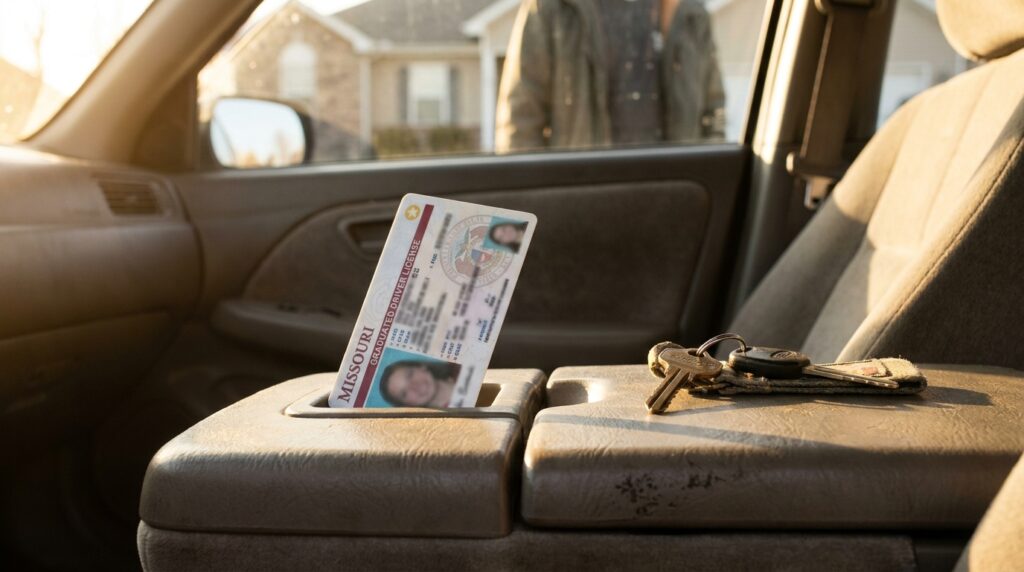
When a 16-Year-Old Breaks Missouri’s Driving Rules, Your Family’s Legal Options Matter
If your teenager was involved in a serious collision tied to a license violation in Missouri, the legal consequences extend far beyond a traffic ticket. Missouri’s Graduated Driver License (GDL) law imposes strict rules on 16-year-old drivers, and when broken, the resulting crashes can cause devastating head, neck, and spinal injuries requiring extensive rehabilitation. Understanding how these violations affect liability and your family’s ability to recover compensation is essential. The decisions you make in the first hours and days will shape your case’s strength.
Horn Law moves quickly after an accident, builds stronger cases, and handles every case from start to finish to maximize recovery. If you or someone you care about has been injured, contact us today at 816-795-7500 to get same day representation and personalized legal guidance.
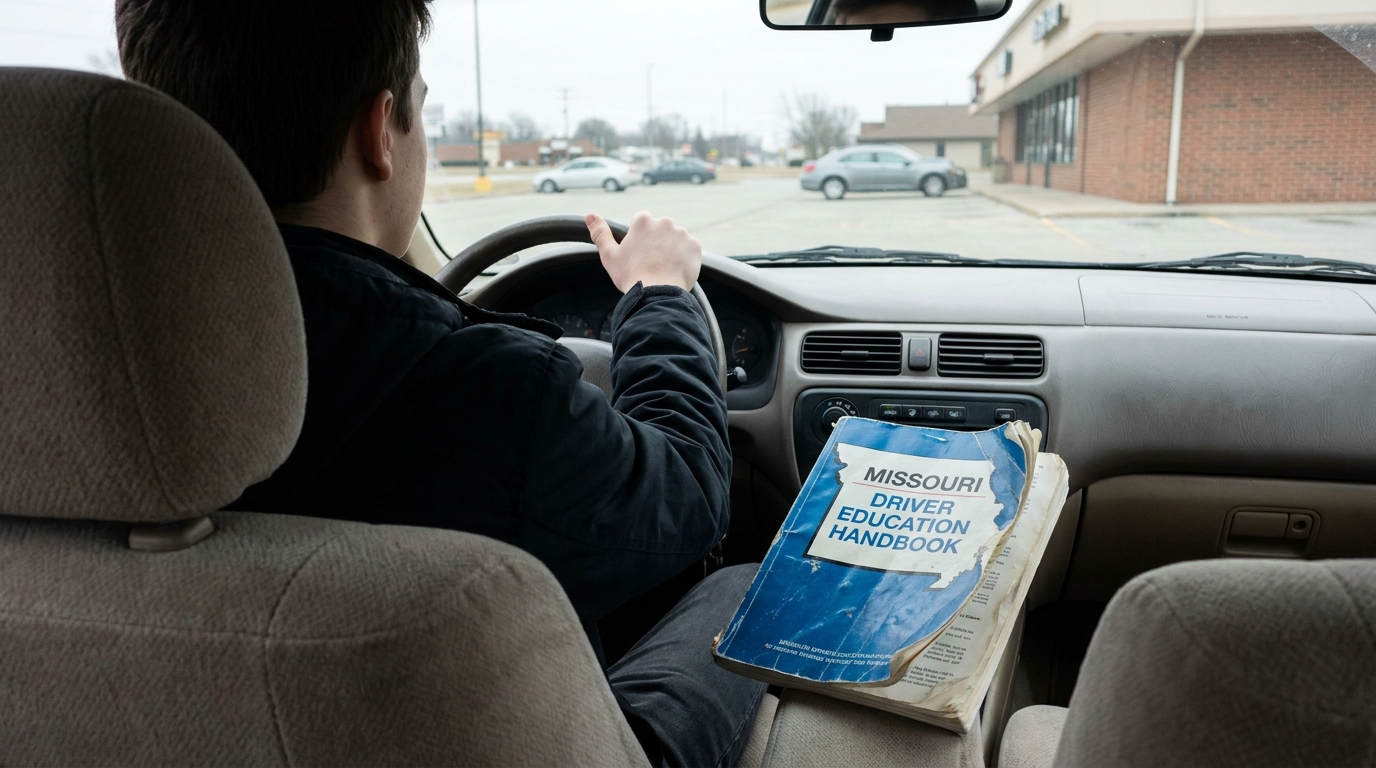
Understanding 16 Year Old Driving Restrictions in Missouri
Missouri’s GDL law requires all first-time drivers between ages 15 and 18 to progress through three stages: Instruction Permit, Intermediate License, and Under 21 Full Driver License. This graduated system, enacted January 1, 2001, reduces traffic crashes and fatalities by requiring staged driving experience. At age 16, most teens transition from the permit phase into the intermediate license, which carries meaningful restrictions affecting how, when, and with whom they can drive.
The intermediate license stage is where families first encounter the rules that matter most in accident cases. During the first six months, a teen may not operate a motor vehicle with more than one passenger under 19 who is not a member of their immediate family. After six months, the limit increases to three such passengers. These intermediate license rules in Missouri exist because research shows teen crash risk increases with each additional young passenger.
Nighttime Driving Curfew
Intermediate license holders may not drive alone between 1 a.m. and 5 a.m., with limited exceptions for driving to and from school activities, work, or emergencies. Outside those exceptions, a teen must be accompanied by a licensed driver aged 21 or older. When a collision occurs during curfew hours without proper supervision or a qualifying exception, that violation becomes critical evidence in establishing negligence.
Seat Belt and Safety Requirements
Seat belt use is mandatory for the driver and all passengers at both permit and intermediate license stages. Failure to comply constitutes a GDL law violation and can complicate injury claims if it contributed to injury severity.
💡 Pro Tip: If your teen was injured in a crash caused by another teen driver, ask whether that driver was violating any GDL restrictions at the time. Curfew violations, excess passengers, and missing seat belts can all serve as evidence of negligence that supports your claim.
How GDL Violations Create Legal Liability in Teen Driving Accidents
When a 16-year-old violates their intermediate license restrictions and causes a crash, that violation may serve as evidence of negligence in a civil injury claim. Missouri law imposes these restrictions for safety, and a breach can support a finding that the teen driver failed to exercise required care. While the violation doesn’t automatically establish liability, it makes proving fault more straightforward.
Teen driver accident liability often extends beyond the teen themselves. Parents may bear responsibility when they knew or should have known their child was driving in violation of GDL rules. Parents must certify their teen has received a minimum of 40 hours of behind-the-wheel instruction, including at least 10 hours of nighttime driving. A parent or guardian’s responsibilities under the GDL law become relevant when evaluating whether adequate supervision and training were provided.
💡 Pro Tip: Preserve any evidence of the at-fault teen’s driving record, social media activity, and crash circumstances as early as possible. Early legal involvement helps ensure nothing is lost.
The Three Stages of Missouri’s Graduated License Law and What Violations Mean at Each
Each stage of the Missouri graduated license law carries distinct requirements, and a violation at any stage can delay full licensure and create civil liability.
| Stage | Age | Key Requirements | Consequence of Violation |
|---|---|---|---|
| Instruction Permit | 15+ | Licensed driver 21+ in front seat; seat belts required; 40 hours practice (10 at night) | Cannot advance to intermediate license; potential liability in crash |
| Intermediate License | 16+ | Passenger limits; 1 a.m.-5 a.m. curfew; seat belts required; (to obtain an intermediate license from an instruction permit, the applicant must have had no alcohol-related enforcement contacts within the preceding 12 months and no traffic convictions for which points are assessed within the preceding 6 months) | Delayed advancement to full license; potential evidence of negligence in crash claims |
| Full License | 18+ | No suspended/revoked/denied privilege; no alcohol offenses or traffic convictions within 12 months prior | Must retain intermediate license restrictions until requirements met |
To graduate from intermediate to full license at age 18, the teen cannot have any alcohol-related offenses or traffic convictions within the 12 months prior to application. If a teen doesn’t meet this requirement, they must retain intermediate license restrictions. This matters because a driver still operating under intermediate restrictions at age 18 or older may have a documented history of violations that strengthens a negligence claim.
💡 Pro Tip: If your family is dealing with injuries from a crash involving a teen driver, request the at-fault driver’s licensing history early. A teen who obtained their intermediate license despite prior violations presents a stronger case for negligence.
Building a Stronger Case After a 16 Year Old Car Accident in Missouri
The first 24 to 48 hours after a teen driving collision are when the most important legal work begins. Securing crash reports, witness statements, surveillance footage, and medical records early can make the difference between a fair settlement and one that falls short of covering your family’s losses.
For families dealing with head injuries, concussions, or neck and spinal trauma from a teen driving accident, the long-term consequences often extend well beyond the initial emergency room visit. Chiropractic care, physical therapy, cognitive rehabilitation, and ongoing medical monitoring can stretch over months or years. A strong legal strategy accounts for these future costs from the beginning.
Understanding what differentiates a strong legal team matters when choosing representation. Look for an attorney who conducts independent crash investigations, works closely with medical providers to document the full scope of injuries, and builds a case reflecting not just current bills but long-term impact on quality of life. Learn more about enforcing Missouri’s GDL law and how violations affect injury claims.
Parental Rights and Responsibilities Under Missouri’s GDL System
Parents and guardians play a legally significant role in Missouri’s teen licensing framework, and that role can become relevant in civil litigation. Beyond certifying driving hours, parents have the right to deny or revoke a teen’s driving privilege at any time before age 18 using Form 4811. If a parent knew their teen was driving recklessly or violating GDL restrictions and failed to act, that inaction could be scrutinized in a liability analysis.
For parents whose child was seriously injured by a teen driver, the at-fault family’s supervisory conduct matters. Did the other parents know their child was driving after curfew? Did they allow passengers in violation of GDL rules? These questions shape a negligence case and can directly affect your family’s claim value.
💡 Pro Tip: Missouri parents can deny or reinstate their teen’s driving privilege at any point before age 18. If you have concerns about your teen’s safety or the safety of others, exercising this right proactively can prevent tragedy.
Why Early Legal Action Protects Your Family After a Teen Driver Negligence Claim in Missouri
The window for preserving critical evidence after a teen driving collision is narrow, and delays can weaken even the strongest claims. Surveillance footage gets overwritten. Witnesses forget details. Vehicle damage is repaired. When you contact Horn Law, the process begins immediately. Everything can be handled digitally, and same day representation means your case is being protected from the moment you call.
Because there is often only one opportunity to settle an injury claim, your case must be built correctly from the start. A teen driving accident attorney in Missouri who understands the GDL framework can identify every source of liability and avenue for recovery.
- Early investigation preserves dash cam footage, traffic camera recordings, and cell phone records that may prove distraction or GDL violations
- Immediate medical documentation ties injuries directly to the crash
- Witness statements collected within days are more detailed and credible
- Proper case setup positions your claim for maximum value
Frequently Asked Questions
1. What are the passenger restrictions for a 16-year-old driver in Missouri?
Passenger Limits During the Intermediate License Phase
During the first six months of the intermediate license, a teen may not drive with more than one passenger under 19 who is not an immediate family member. After six months, the cap increases to three non-family passengers under 19. Violating these limits at the time of a crash can serve as evidence of negligence.
2. Can a teen lose their intermediate license for traffic violations?
How Violations Delay Full Licensure
Yes. To advance from intermediate to full license, a teen cannot have any alcohol-related offenses or traffic convictions within 12 months prior to application. If they don’t meet this standard, they must retain the intermediate license and all restrictions until qualified.
3. What is the nighttime driving curfew for 16-year-old drivers in Missouri?
Curfew Hours and Exceptions
Intermediate license holders may not drive alone between 1 a.m. and 5 a.m. Exceptions allow solo driving to and from school activities, jobs, or in emergencies. Otherwise, a teen may only drive during curfew hours if accompanied by a licensed driver aged 21 or older.
4. How does a teen’s GDL violation affect an injury claim?
The Role of License Violations in Liability
A GDL violation at the time of a crash can serve as evidence that the teen driver breached their legal duty of care. This doesn’t automatically guarantee liability, but it makes proving negligence more straightforward. Courts consider the violation’s nature, crash circumstances, and whether the violation contributed to the collision.
5. What should parents do if their teen was injured by another teen driver who broke GDL rules?
Protecting Your Family’s Claim
Contact an attorney immediately to begin preserving evidence and building your case. The at-fault teen’s GDL violations, driving record, and crash circumstances all contribute to establishing liability. Early legal involvement ensures no critical evidence is lost and your family’s claim reflects the full scope of injuries and long-term care needs.
Protecting Your Family’s Future After a Teen Driving Collision
When a 16-year-old violates Missouri’s driving restrictions and a serious crash results, your family deserves more than answers. You deserve a legal team that moves quickly, builds the case thoroughly, and fights for full recovery. Head injuries, concussions, neck trauma, and the long road of physical therapy and chiropractic care that follows demand a legal strategy that accounts for every dollar your family will need.
Horn Law is here for you, or your loved one, after a collision. With a 35-year track record of success in maximizing injury claims we can give you the guidance and support you deserve. If you or anyone you know has been injured, don’t wait, contact us today at 816-795-7500 for same day representation.