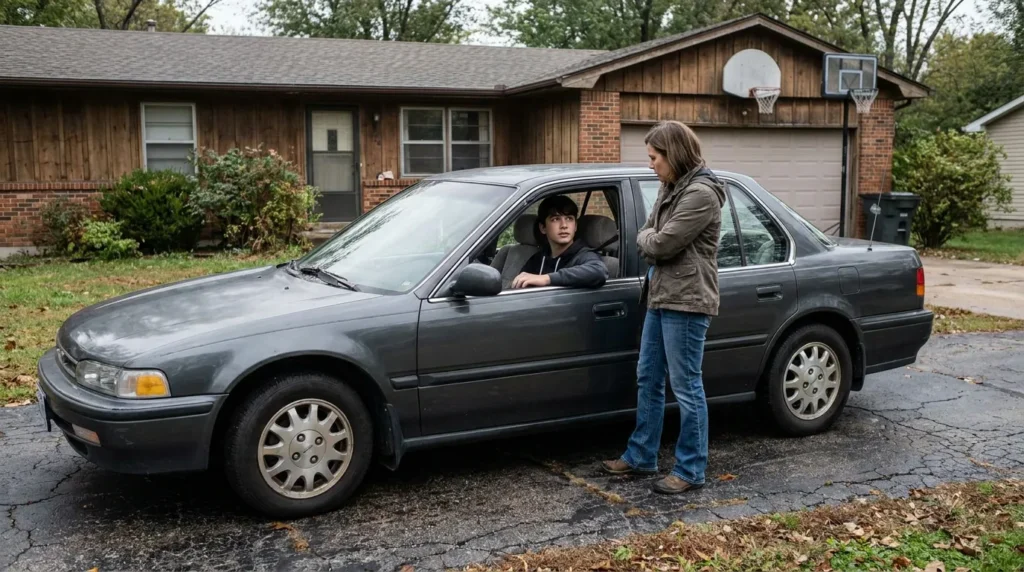
Understanding Who Pays When a Teen Driver Causes Serious Harm
Key Takeaways: In Missouri, a parent is not automatically liable when their 16-year-old causes a crash, responsibility depends on the specific facts and applicable law. Missouri Revised Statutes Section 537.045 can make parents financially responsible, but applies only to purposeful conduct and caps damages at $2,000. Serious crash claims usually proceed through negligence theories and auto insurance coverage. Negligent entrustment holds parents accountable when they allow a teen to drive despite knowing the teen is incompetent or dangerous. Violations of Missouri’s graduated license restrictions can also support a teen driver negligence theory. Acting early to preserve evidence and document injuries strengthens your claim.
When a 16-year-old causes a crash in Missouri, a parent can sometimes share legal responsibility, but liability depends on the specific facts and applicable law. Missouri provides limited statutory liability for parents and separate negligence doctrines can extend responsibility further. If you suffered a serious head, neck, or life-altering injury in a collision involving a teen driver, understanding these distinctions early shapes the strength and value of your claim.
Horn Law moves quickly after an accident, knows how stronger cases are built, and handles every case with the goal of maximizing recovery. If you’ve been injured, contact us today at 816-795-7500 for same day representation and personalized legal guidance.
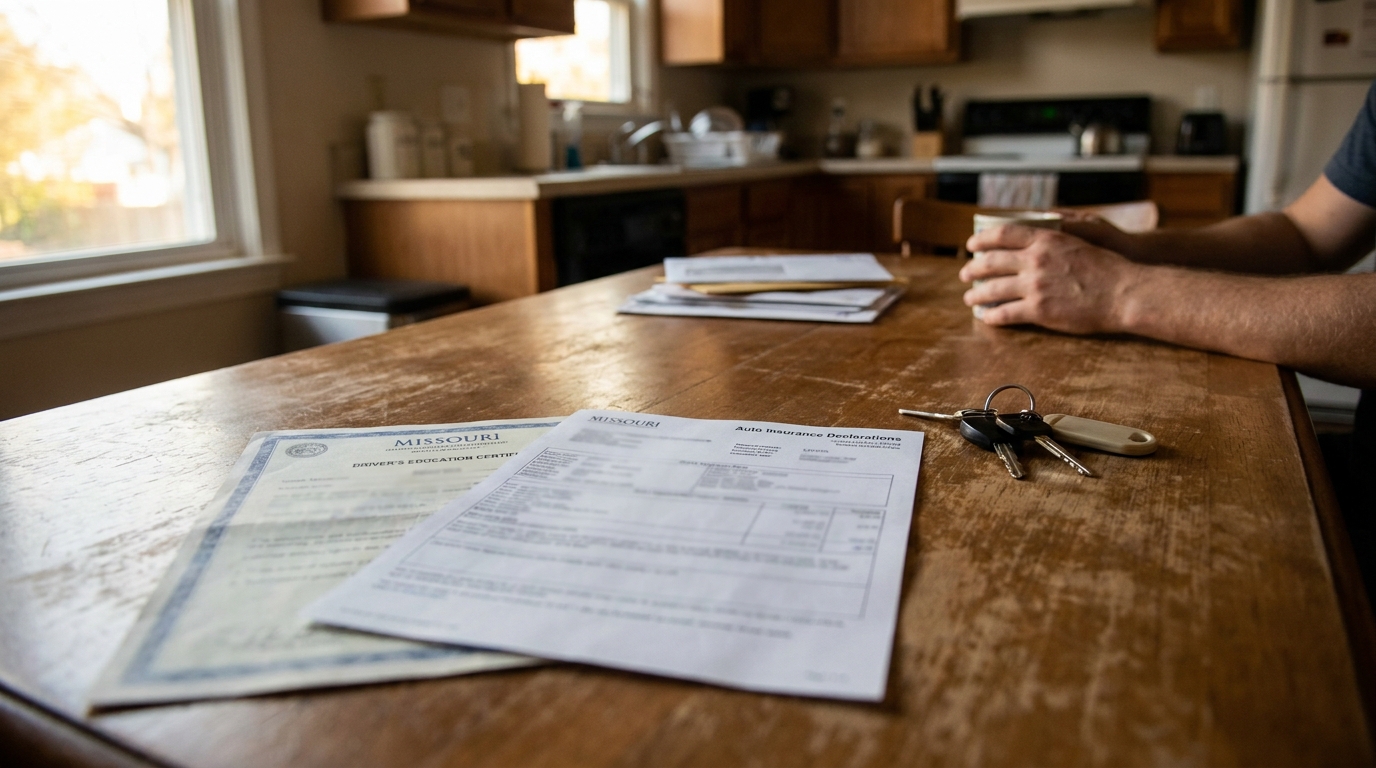
16 Year Old Driving Restrictions in Missouri and Why They Matter
The 16 year old driving restrictions in Missouri are built into the state’s Graduated Driver License system and create the legal backdrop for many teen crash claims. Missouri uses a staged licensing process to ease young drivers into full independence, and violations of these stages frequently appear as evidence of negligence in injury cases.
From Learner’s Permit to Intermediate License
Missouri’s licensing path begins well before a teen drives alone. Teens can obtain a learner’s permit at age 15 and must hold it for at least 6 months. During this phase, Missouri requires 40 hours of supervised driving practice, including 10 hours at night. These thresholds are detailed in the state’s Missouri graduated driver license rules.
At age 16, a teen may apply for an intermediate license that allows independent driving with important limits. The intermediate license permits driving alone except during a curfew between 1 a.m. and 5 a.m., and it carries passenger restrictions. During the first 6 months, the teen may not operate a vehicle with more than one passenger under 19 who is not an immediate family member. These violations can support a teen driver negligence theory in Missouri.
💡 Pro Tip: If your family was hit by a teen driver, note the time of day, number of passengers, and any curfew or passenger-limit violations. These details become meaningful evidence when analyzing liability.
The Parent’s Formal Role in Licensing
Missouri builds parents directly into the licensing process. A parent or guardian must accompany the teen to sign a permission statement before an instruction permit is issued. By signing, the parent certifies they will ensure the teen receives the minimum 40 hours of behind-the-wheel instruction, including 10 hours of nighttime driving.
Parents also retain ongoing control over the privilege they helped grant. A parent or guardian may revoke a teen’s driving privilege before age 18 by submitting a formal request to the Missouri Department of Revenue using Form 4811. This administrative authority underscores how Missouri law treats parents as active participants in a teen’s readiness to drive. For families researching these obligations, our overview on protecting teen drivers explains the practical side of parental oversight.
How Parental Liability Works Under Missouri Law
Missouri’s primary parental responsibility statute is Missouri Revised Statutes Section 537.045, which can make a parent financially responsible for a child’s intentional acts. Under this statute, a parent or guardian of an unemancipated minor in their care and custody is liable for a judgment against the minor for purposely marking, defacing, or damaging property, or purposely causing personal injury, provided the parent has been joined as a defendant in the original action. This applies to minors under 18.
The statute carries meaningful limits. First, conduct must generally be purposeful rather than careless, so ordinary teen driving negligence often falls outside this statute. Second, Missouri caps damages at $2,000, with an exception excluding foster parents. A judge may also order both the parent or guardian and the minor who caused the injury to work for the injured person instead of monetary payment, if the parent, the minor, and the injured person all agree.
💡 Pro Tip: The $2,000 statutory cap under Section 537.045 is not the ceiling on your overall recovery. Serious injury claims are frequently pursued through other legal theories and insurance coverage.
Because Section 537.045 is limited, it is rarely the whole story in a serious teen crash. A broad overview appears in this fifty-state survey of parental responsibility laws. In practice, families dealing with severe head or neck injuries usually need to look beyond this statutory cap toward negligence-based claims and available auto insurance coverage.
Negligent Entrustment: A Separate Path to Holding Parents Accountable
Negligent entrustment in Missouri is a common-law doctrine that can hold a parent responsible when they allow a teen to drive despite known risks. This theory does not depend on the $2,000 statutory cap. Instead, it focuses on whether a parent provided a vehicle to a driver they knew, or should have known, was incompetent, inexperienced, or likely to drive in a dangerous manner.
Negligent entrustment claims often turn on what the parent knew before the crash. Evidence such as prior citations, a pattern of reckless driving, or knowledge that the teen would violate license restrictions can support this theory. Because this analysis is fact-intensive, preserving records early is critical. We explore this further in our resource on teen driving accident attorney topics and legal guidance.
💡 Pro Tip: Photographs, vehicle data, police reports, and witness contact information can disappear quickly. Securing this evidence immediately can make the difference in a parental liability car accident claim.
Building a Strong Teen Crash Injury Claim
Maximizing a Missouri car accident claim after a teen-involved collision depends on careful, early legal work. Serious crashes frequently produce concussions, spinal injuries, and other conditions requiring long-term care. Documenting these injuries properly from the outset establishes both causation and the full scope of damages.
Horn Law’s pillars guide how every teen crash injury case is handled. Those pillars center on:
- Immediate control after the crash, including early investigation, securing evidence, and managing the insurance process from the start.
- Knowing how stronger cases are built, by developing liability and damages and accounting for the long-term effect of injuries.
- Maximizing the recovery, recognizing that there is often only one settlement opportunity.
Early legal involvement protects your interests when it matters most. Because evidence fades and insurers begin building their position quickly, securing representation promptly can meaningfully influence the strength of a 16 year old car accident liability claim. With Horn Law, the process begins the same day, and everything can be handled digitally. That access to same day representation allows families to focus on recovery while their claim is established properly.
Frequently Asked Questions
1. Is a parent automatically liable when their 16-year-old causes a crash in Missouri?
Not automatically. Missouri Revised Statutes Section 537.045 generally applies to purposeful conduct and caps damages at $2,000, while ordinary crash claims proceed through negligence theories and auto insurance. Whether a parent shares liability depends on the specific facts.
2. What is negligent entrustment, and how does it apply to parents?
Negligent entrustment may apply when a parent allows a teen to drive despite knowing the teen poses a danger. Courts examine the parent’s knowledge and the teen’s driving history based on the evidence presented.
3. Do license restriction violations affect a teen driving accident claim?
They can. Violating curfew or passenger limits under the intermediate license may support a teen driver negligence theory in Missouri. Courts may consider such violations as part of the broader liability analysis.
4. How soon should we contact a teen crash injury lawyer in Missouri?
As soon as possible. Early action helps preserve evidence, document injuries, and establish the claim properly. Because evidence can disappear quickly, prompt legal involvement often improves the case strength.
5. Does revoking a teen’s license affect a civil claim?
Revoking a license through Form 4811 is an administrative step, separate from a civil lawsuit. It reflects parental control over driving privileges but does not by itself determine civil liability for a crash.
Protecting Your Family’s Recovery After a Teen Crash
Determining whether a parent is liable when a 16-year-old causes a crash in Missouri requires examining statutory liability under Section 537.045, negligent entrustment principles, license restriction violations, and available insurance coverage. No single rule answers the question for every family. Serious head and neck injuries deserve a thorough, strategic approach that protects your interests and pursues full, fair compensation. Acting early gives your claim the strongest possible foundation.
Horn Law is here for you after a collision. With a 35-year track record of maximizing injury claims we can give you the guidance and support you deserve. If you’ve been injured, don’t wait, contact us today at 816-795-7500 for same day representation.