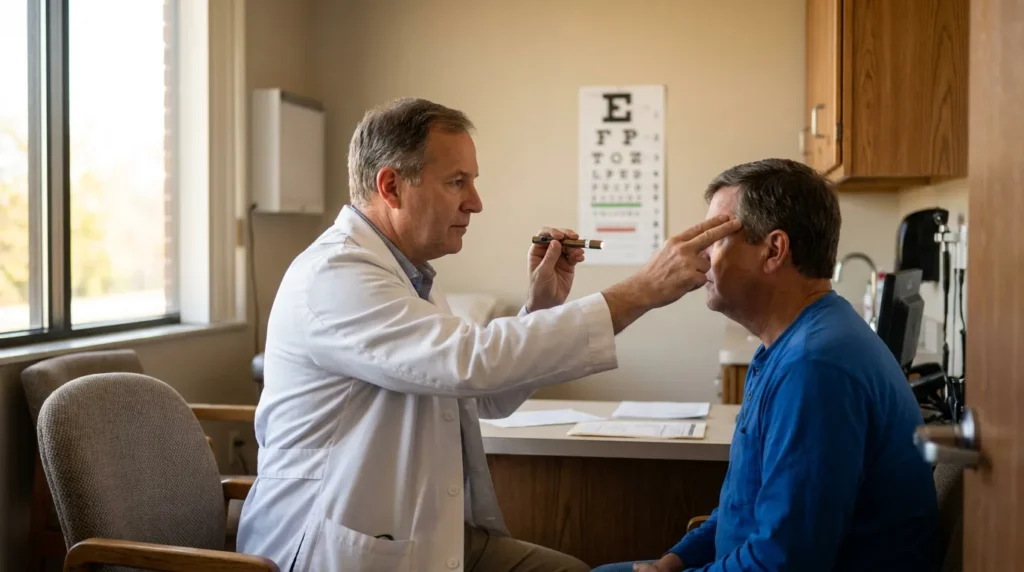
Why a Head Injury After a Collision Demands Prompt Attention
Key Takeaways: A concussion after a Missouri crash should be evaluated immediately because early medical care protects both your health and your legal claim. A concussion is a traumatic brain injury, and symptoms can be delayed, missed, or downplayed by insurers if never properly documented. Same-day evaluation creates a medical baseline linking the injury to the crash, while a symptom journal connects it to its real-life impact. Missouri law supports concussion victims with no minimum injury threshold, a five-year statute of limitations under RSMo § 516.120(4), and a joint and several liability rule making early investigation crucial. Because there is often only one settlement opportunity, prompt legal involvement preserves evidence before it disappears and builds liability, causation, and damages correctly. Acting quickly, ideally through same-day representation, keeps every option open and strengthens both your recovery and your claim.
A concussion after a Missouri crash should almost always be evaluated immediately, because early medical documentation protects both your health and your legal claim. A concussion is a form of brain injury, and decisions you make in the first hours after a collision can shape your recovery and case strength. The priority is finding a team that moves quickly and understands how head trauma connects to long-term outcomes.
Horn Law moves quickly after an accident, knows how stronger cases are built, and handles every case from start to finish with the goal of maximizing recovery. If you or someone you care about has been injured, don’t wait, contact us today at 816-795-7500 to get same day representation and personalized legal guidance.
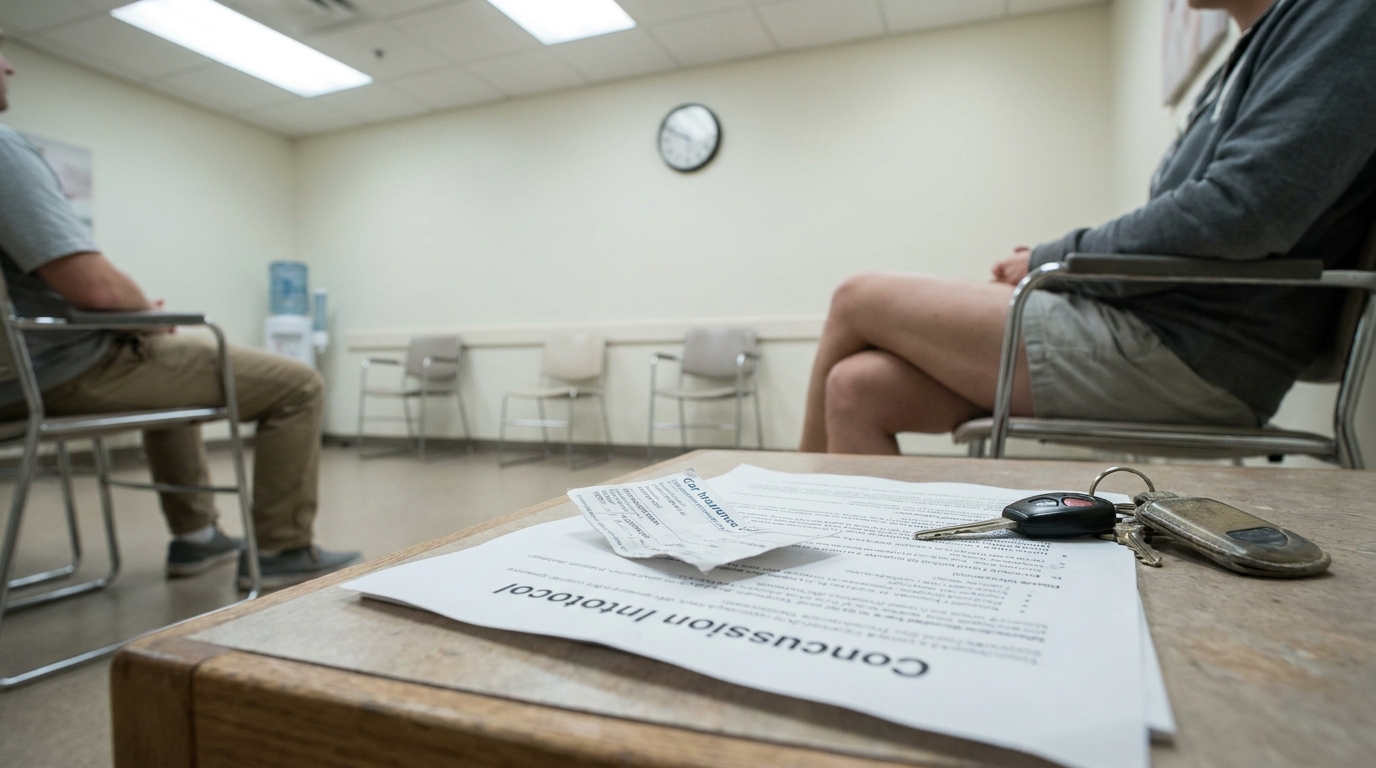
A Concussion Is a Brain Injury, Not a Bruise
Medical authorities are clear that a concussion sits squarely within the category of traumatic brain injury. According to the CDC, there are three main types of TBI: mild TBI or concussion, moderate TBI, and severe TBI. That classification confirms that even a "mild" concussion is genuinely an injury to the brain, deserving the same seriousness you would give any other significant trauma after a brain injury car wreck.
The stakes are real. There were over 69,000 TBI-related deaths in the United States in 2021, about 190 TBI-related deaths every day. Most concussions resolve, but the human and economic toll underscores why prompt care is not optional.
💡 Pro Tip: If you struck your head, lost consciousness even briefly, or feel foggy, nauseous, or unusually tired after a wreck, seek evaluation the same day rather than "waiting to see."
Why Timing Shapes Both Diagnosis and Documentation
Prompt evaluation matters because head trauma is frequently undercounted, missed, or diagnosed late. According to public health data, these estimates do not include the many TBIs only treated in emergency departments, primary care, urgent care, or those that go untreated. A concussion can easily slip through the cracks if never properly examined.
That undercounting is not just a statistical footnote. TBI imposes significant health, social, and economic costs, and limitations in current data collection lead to undercounting and underestimates of the true incidence and cost. When a concussion goes unrecorded, insurers may later argue the injury was minor or unrelated to the crash.
Certain people face higher risk of a missed diagnosis. TBIs may be missed or misdiagnosed in older adults because symptoms overlap with other medical conditions. The same caution applies to children and anyone whose symptoms surface gradually. You can review the broader picture in the CDC’s overview of traumatic brain injury, where in 2017 the leading causes of TBI-related hospitalizations were falls and motor vehicle crashes.
Common Post-Crash Concussion Symptoms to Watch
Symptoms can appear right away or emerge over the following days. Because Missouri crash concussion symptoms are not always obvious at the scene, a careful evaluation creates a baseline record. Watch for these warning signs:
- Persistent headache, pressure, or dizziness
- Sensitivity to light or noise and blurred vision
- Trouble concentrating, memory gaps, or mental fog
- Sleep changes, fatigue, irritability, or mood shifts
- Nausea, balance problems, or feeling "off"
Motor vehicle crashes and assaults are common ways a person may get a TBI. If any of these signs follow a wreck, a same-day medical visit and timely legal guidance work hand in hand.
How Early Action Protects Your Car Accident Injuries Claim
Early legal involvement is one of the most reliable ways to preserve the value of car accident injuries claims involving the brain. This is the heart of Horn Law’s pillars: taking immediate control after the crash, building the case correctly, and maximizing the recovery. Because there is often only one settlement opportunity, the file must be set up properly from the beginning, with medical records, witness statements, and crash evidence secured before they disappear.
Missouri law gives concussion victims a clear path to recovery. The state does not impose a minimum injury threshold, meaning a concussion can support a valid claim even without dramatic visible damage. No minimum tort threshold is necessary for a bodily injury claim to be made. That principle is significant for head trauma cases, where the most important evidence is medical and diagnostic rather than purely visual.
💡 Pro Tip: Keep a daily symptom journal after a crash. Notes on headaches, missed work, and difficulty with everyday tasks help connect your car accident head trauma to its real impact on your life.
Fault allocation in Missouri can directly affect how much you recover. Under Missouri’s joint and several liability rule in RSMo § 537.067, if a defendant is found to bear fifty-one percent or more of fault, then such defendant shall be jointly and severally liable for the amount of the judgment. A defendant found to bear less than fifty-one percent of fault is generally responsible only for that defendant’s own percentage share of the judgment. Missouri also follows a pure comparative fault rule, so any recovery may be reduced by the percentage of fault assigned to the injured person. Establishing fault depends on early investigation, which is why prompt representation matters.
Why Deadlines Make Prompt Decisions Important
Missouri sets a generous but firm window for personal injury lawsuits. Most personal injury actions, including those arising from a crash that caused a concussion, are governed by the five-year statute of limitations found in RSMo § 516.120(4). That statute covers an action for any other injury to the person or rights of another, not arising on contract and not otherwise enumerated.
Even with five years on the clock, waiting carries real risk. Evidence fades, witnesses move, and vehicle data can be lost. While Missouri recognizes limited exceptions that may pause or extend a deadline under certain circumstances, courts generally interpret tolling and discovery rules narrowly, and they do not apply automatically. Administrative or insurance deadlines can also be much shorter and are separate from the civil statute of limitations.
What Distinguishes Strong Representation for Head Injury Cases
The right attorney treats a concussion case as a medical and legal puzzle that must be assembled with care. Strong cases are built through proper development of liability, causation, and damages, and through close attention to how an injury affects a client’s daily life and future. For families, this often includes planning for long-term rehabilitation needs such as physical therapy and chiropractic care, which can be central to both recovery and full compensation in a Missouri concussion injury claim.
Recovery prospects also depend on the patient and circumstances. Encouragingly, more than 70 percent of pediatric patients with mild TBI recover within 1 to 3 months. Parents seeking a head injury evaluation after crash for a child should know that documenting the injury early supports both medical follow-up and a future claim.
| Action After a Crash | Why It Matters |
|---|---|
| Same-day medical evaluation | Creates a record linking the concussion to the crash |
| Early legal consultation | Preserves evidence and controls the insurance process |
| Symptom and treatment journal | Connects the injury to its real-life impact |
| Following all care instructions | Supports recovery and strengthens causation |
A close, convenient process removes barriers to acting quickly. You no longer need to come into an office to begin. A single phone call can start the process digitally, allowing the legal work to begin while you focus on healing. When comparing firms, look for a team trusted by clients and respected for handling serious crash cases. You can learn more about how a dedicated head injury attorney Missouri approaches these matters and protects each client’s interests.
Frequently Asked Questions
1. Should I see a doctor even if I feel fine after the crash?
Yes, prompt evaluation is wise even when symptoms seem absent. Concussion symptoms can be delayed, and a same-day examination creates a medical baseline. Because some brain injuries are missed early on, professional concussion diagnosis in Missouri protects both your health and your claim.
2. Does a concussion really count as a serious injury in Missouri?
A concussion is medically classified as a traumatic brain injury, so it is treated seriously. Missouri imposes no minimum injury threshold, meaning even a concussion without dramatic visible damage can support a bodily injury claim.
3. How long do I have to file a claim after a crash concussion?
Most Missouri personal injury actions must be filed within five years under RSMo § 516.120(4). However, certain insurance and administrative deadlines are shorter, and exceptions are interpreted narrowly. Acting early avoids losing evidence and missing critical windows.
4. Why does early legal involvement improve my case?
Early involvement allows evidence to be preserved before it disappears. Police reports, witness accounts, and vehicle data are strongest soon after the wreck. Prompt post-crash concussion care combined with timely legal guidance helps establish causation and damages.
5. Can I handle everything without coming into an office?
Yes, the process can begin entirely by phone and continue digitally. A single call can launch the investigation and claim, so you can prioritize medical treatment while your case moves forward.
Protecting Your Health and Your Future After a Crash
A concussion after a Missouri collision deserves immediate medical attention and prompt legal guidance. Brain injuries are frequently undercounted, sometimes missed, and easily downplayed by insurers, which is why early documentation and proper case development matter. With Missouri’s five-year filing window, its joint and several liability rule, and its lack of a minimum injury threshold, the law offers meaningful protection, but only when the case is handled correctly from the start. Acting early keeps every option open.
Horn Law is here for you, or your loved one, after a collision. With a 35-year track record of success in maximizing injury claims we can give you the guidance and support you deserve. If you or anyone you know has been injured, don’t wait, contact us today at 816-795-7500 for same day representation.