When a Distracted Driver Leaves You With a Concussion: Understanding Missouri Fault
Key Takeaways: If a distracted driver caused your concussion, that driver and their insurance are generally liable under Missouri law, which treats inattentive, negligent conduct as the basis for fault. Proving your claim requires establishing causation through police reports, phone records, prompt medical documentation, and witness statements. Missouri’s pure comparative fault rule under RSMo § 537.765 means any share of blame assigned to you reduces but does not bar recovery. When multiple parties are at fault, RSMo § 537.067 allows a defendant found fifty-one percent or more at fault to be held jointly and severally liable for the judgment. Injured people generally have five years to file under RSMo § 516.120, but waiting can let evidence fade and weaken your claim. Acting quickly and securing proactive representation gives you the best chance to protect the full value of your claim.
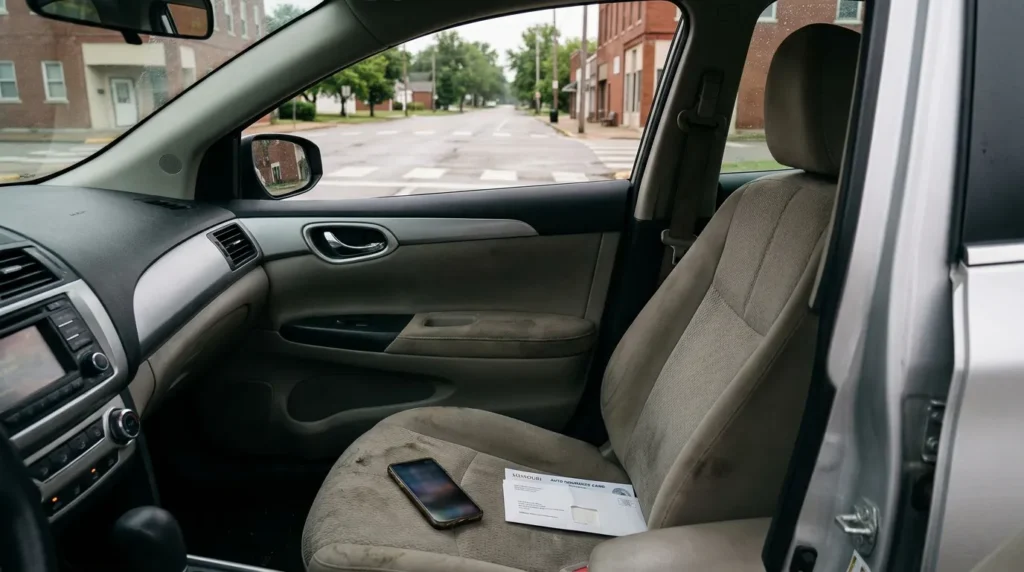
If a distracted driver caused the crash that left you with a concussion, that driver and their insurance coverage are generally responsible. Missouri law distinguishes between injuries caused by negligence and risks inherent in an activity. In a distracted driving case, a driver who looks at a phone instead of the road creates negligent risk that supports liability. The concussion was not an unavoidable hazard of riding in a car, it was the foreseeable result of inattentive driving, and Missouri’s comparative fault framework holds that person accountable.
Horn Law moves quickly after an accident, knows how stronger cases are built, and handles every case from start to finish with the goal of maximizing recovery. We are here to help you protect yourself and stay ahead of the game. If you or someone you care about has been injured, don’t wait, contact us today at 816-795-7500 to get same day representation and personalized legal guidance.
How Missouri Law Assigns Liability After a Distracted Driving Crash
Liability in Missouri turns on proving that the other driver’s negligence caused the injury. A concussion is a traumatic brain injury with consequences that can extend for months into physical therapy, cognitive rehabilitation, and lost income. Establishing who pays begins with demonstrating that the distracted driver breached a duty of care and that the breach directly produced the harm. Early investigation matters because the party who builds the record first often controls how the story of fault is told.
Proving the Distracted Driver Caused the Harm
Causation is the heart of any distracted driving crash claim. Insurers frequently argue that symptoms existed before the collision or that the victim contributed to the wreck. Countering that requires disciplined evidence gathering close in time to the crash. A strong file typically includes:
- Police reports, scene photographs, and any available traffic or dashcam video
- Phone and telematics records revealing texting or app use at impact
- Prompt medical documentation connecting the concussion to the collision
- Witness statements describing the other driver’s behavior
Because a concussion may not show obvious symptoms immediately, medical evaluation should not be delayed. You can read more about why a concussion should be evaluated immediately after a Missouri crash, since that early record often becomes central to proving causation.
Missouri’s Pure Comparative Fault System
Missouri follows a pure comparative fault rule, which means partial fault reduces recovery but does not eliminate it. In 1983 Missouri’s Supreme Court adopted pure comparative fault in Gustafson v. Benda. The legislature later codified the doctrine. Under Missouri’s comparative fault rule in RSMo § 537.765, contributory fault as a complete bar to recovery has been abolished. This provides meaningful protection for injured people, because even if an insurer assigns you a share of blame, you may still recover.
Protecting the Value of Your Car Accident Injuries Claim
Comparative fault directly shapes how much a concussion victim can recover, so it must be managed carefully from the start. Under RSMo § 537.765(2), a defendant may plead and prove the plaintiff’s fault as an affirmative defense, and any fault chargeable to the plaintiff shall diminish proportionately the compensatory damages but shall not bar recovery. In practice, the defense will look for any reason to shift blame onto you, because every percentage point can lower the award. Protecting the value of your car accident injuries claim depends on anticipating those arguments and answering them with evidence.
Assumption of risk is treated the same way, as one factor to weigh rather than an automatic defense. Missouri courts have folded older doctrines into the comparative fault analysis. Unreasonable implied secondary assumption of risk is considered one element of fault to be compared by the jury, as explained in Sheppard v. Midway R-1 School Dist., 904 S.W.2d 257. For a concussion victim, this means your conduct is measured against the distracted driver’s conduct, not used to erase your right to recover.
💡 Pro Tip: Keep a simple daily journal of your concussion symptoms, missed workdays, and how the injury affects routine tasks. This contemporaneous record can strengthen the damages side of car accident injuries claims when memory naturally fades.
Who Pays When More Than One Party Is at Fault
When multiple parties share responsibility, Missouri’s joint and several liability rule can determine how the judgment is paid. Under RSMo § 537.067, in all tort actions for damages, if a defendant is found to bear fifty-one percent or more of fault, then such defendant shall be jointly and severally liable for the amount of the judgment. For a concussion victim, this matters when a distracted driver carries the majority of blame, because it can allow full recovery even where another defendant is less able to pay.
Punitive damages, however, follow a different rule. The same statute provides that defendants shall only be severally liable for the percentage of punitive damages for which fault is attributed to them by the trier of fact. Missouri also restricts how these rules are discussed at trial, providing that no party may disclose to the trier of fact the impact of the joint and several liability section.
The Deadline to Bring a Missouri Concussion Claim
Missouri generally gives injured people five years to file most personal injury lawsuits, including claims for a concussion from a distracted driving crash. The five-year filing deadline in RSMo § 516.120 covers an action for any other injury to the person or rights of another that is not otherwise enumerated. Missouri courts have read that language broadly, as reflected in Miller v. Neill, 867 S.W.2d 523 (Mo. App. E.D.).
Why Waiting Can Quietly Harm a Strong Case
Even though five years sounds generous, the deadline is a limit and not a strategy. Reform proposals surface periodically. As of a 2018 report, Missouri lawmakers considered shortening the personal injury window to three years, and trial attorneys argued that a longer period gives people hurt through no fault of their own a fair opportunity to resolve their cases. Deadlines can also be affected by exceptions that courts interpret narrowly, so no one should assume that tolling or later discovery will apply automatically. Waiting also allows evidence to disappear and memories to fade, which can weaken even a valid claim.
How Horn Law Builds Stronger Concussion Cases
Horn Law’s pillars, immediate control after the crash, knowing how stronger cases are built, and maximizing recovery, guide how we approach every distracted driving concussion claim. Taking control early lets us preserve phone records, secure video before it is overwritten, and document the injury while it is fresh. Building the case well means developing both liability and the long-range effects of a brain injury, including ongoing physical therapy and chiropractic rehabilitation that can define a client’s quality of life.
Choosing the right advocate is a decision about strategy, not just service. As a Kansas City car accident attorney team, we focus on serious head, neck, and concussion injuries and on identifying every applicable insurance coverage. You do not need to visit an office to begin, because a call can start the process the same day, and your case can be handled digitally. If you want to understand how we handle serious car accident injuries lawyer matters, we are ready to explain your options and provide same day representation.
Frequently Asked Questions
Who is usually liable for a concussion in a Missouri distracted driving crash?
Generally, the driver whose inattention caused the collision is liable, because Missouri law treats negligent risks as the basis for fault. Liability depends on the specific facts and evidence establishing causation.
Can I recover if the insurance company says I was partly at fault?
Yes, in most cases. Missouri applies pure comparative fault under RSMo § 537.765, so your share of fault reduces your compensation proportionally but generally does not bar recovery entirely.
How long do I have to file a concussion injury claim in Missouri?
Missouri generally provides a five-year period under RSMo § 516.120 for most personal injury actions. Exceptions exist and are interpreted narrowly, so act well before the deadline.
What if more than one driver contributed to the crash?
Under RSMo § 537.067, a defendant found at least fifty-one percent at fault can be held jointly and severally liable for the judgment. How damages are apportioned depends on the fault the jury assigns.
Do I have to come into the office to start my case?
No. You can call and begin the process the same day, and the matter can be handled digitally, which allows immediate legal action without delay.
Moving Forward After a Serious Head Injury
A concussion after a distracted driving crash raises real questions about liability, comparative fault, deadlines, and the true value of your recovery, and each answer depends on your case facts. Missouri law provides meaningful protections for injured people, from pure comparative fault to a broad five-year filing window, but those protections are strongest when a claim is built early and carefully. Insurers and defense lawyers will work to minimize what you receive. The most important step is securing thoughtful, proactive representation that puts your interests first.
Horn Law is here for you after a collision. With a 35-year track record of success in maximizing injury claims we can give you the guidance and support you deserve. If you or anyone you know has been injured, don’t wait, contact us today at 816-795-7500 for same day representation.