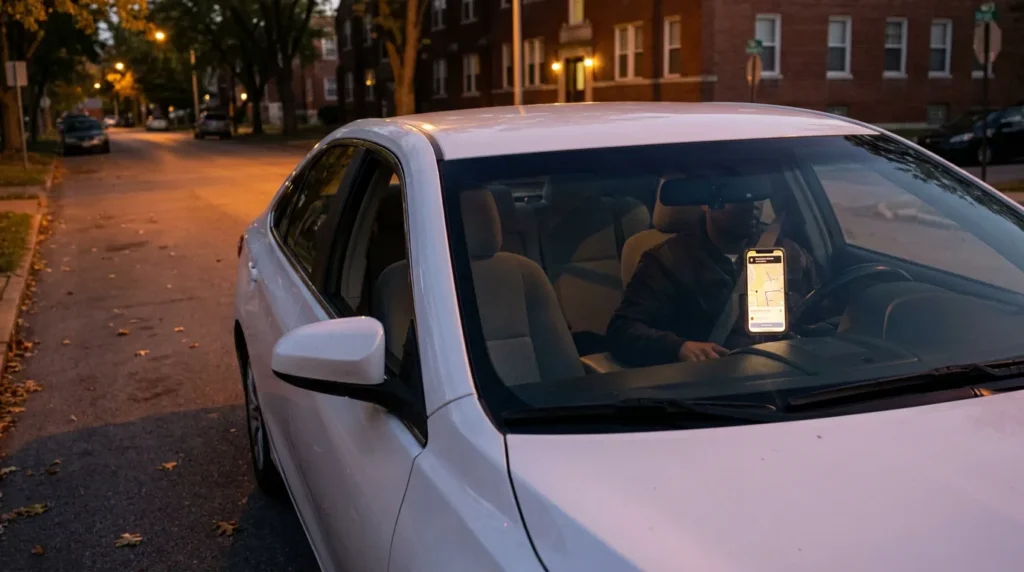
Understanding Missouri’s Rideshare Insurance Periods After a Crash
Key Takeaways: When an Uber driver in Missouri has the app on but no passenger, coverage falls to Uber’s contingent liability policy rather than the $1 million tier during an active ride. During this "app on, no passenger" window, Missouri requires minimum limits of $50,000 per person, $100,000 per incident, and $25,000 property damage, plus uninsured motorist coverage. The driver’s status at impact controls who pays and how much is available. Required insurance may come from the driver’s policy, the TNC’s policy, or both, and the company’s coverage applies from the first dollar when a personal policy has lapsed or excludes rideshare use. Because personal auto policies often exclude rideshare activity, identifying every coverage layer and preserving app data, trip logs, and dispatch records early is essential. Missouri’s comparative fault rules can further divide responsibility, and proposed legislation could shorten filing deadlines to two years for injuries after August 28, 2025.
When an Uber driver has the app on but no passenger, coverage generally falls to Uber’s contingent liability policy, not the higher tier during an active ride. The driver’s status at impact controls which insurance responds and how much is available. During this "app on, no passenger" window, Missouri sets lower minimum limits than the $1 million coverage once a passenger is engaged, making status identification critical to full recovery.
Horn Law moves quickly after an accident, builds stronger cases, and handles every case from start to finish to maximize recovery. If you or someone you care about has been injured, contact us today at 816-795-7500 for same day representation and personalized legal guidance.
Why the Driver’s App Status Decides Who Pays
Missouri law ties rideshare insurance coverage directly to what the driver was doing at the crash moment. Under RSMo § 379.1702, a transportation network company (TNC) driver must carry primary auto insurance covering them while logged on to the digital network or engaged in a prearranged ride. The statute separates these two states because coverage amounts differ. This distinction forms the foundation of every "who pays Uber crash Missouri" question.
After any collision, the driver has a statutory duty to carry and present proof of coverage. RSMo § 379.1702.8 requires TNC drivers to carry proof of insurance coverage at all times while using a vehicle in connection with a TNC’s digital network. That documentation helps establish which coverage tier applies. Because a driver’s account may be incomplete or disputed, preserving app data, trip logs, and dispatch records early is essential to establishing the correct coverage period.
The Three Missouri Rideshare Insurance Periods
Missouri recognizes distinct insurance periods, each triggering a different protection level. These Missouri rideshare insurance periods are the framework insurers use to accept or limit a claim.
| Driver Status | Coverage That Generally Applies |
|---|---|
| App off (personal use) | Driver’s personal auto policy only |
| App on, no passenger (waiting for a ride request) | At least $50,000 per person, $100,000 per incident, $25,000 property damage, plus uninsured motorist coverage |
| Engaged in a prearranged ride | At least $1 million in primary liability coverage |
The middle period is where disputes most often arise. Under RSMo § 379.1702, during the app-on but no-passenger window Missouri requires minimum coverage of $50,000 for death and bodily injury per person, $100,000 per incident, and $25,000 for property damage, along with uninsured motorist coverage under § 379.203. These limits are lower than the $1 million once a driver is engaged in a prearranged ride, which is why the rideshare app on no passenger scenario demands careful factual development.
How Coverage Stacks When the App Is On but Empty
The required insurance can come from the driver’s policy, the TNC’s policy, or both. RSMo § 379.1702 allows the coverage obligation to be satisfied by insurance maintained by the driver, the company, or any combination. Critically, if a driver’s personal insurance has lapsed or does not provide required coverage, the TNC’s coverage applies from the first dollar and carries a duty to defend; where a driver’s policy provides some but less than minimum limits, the TNC’s policy applies as excess up to those limits. This layered structure means multiple policies may respond.
Many personal auto policies exclude coverage while a driver works for a rideshare company. That exclusion can leave a gap only the TNC’s contingent policy fills. Sorting through overlapping policies is detailed work, which is why people pursuing serious-injury claims turn to a knowledgeable rideshare accident lawyer rather than negotiating alone. Missouri TNC insurance law rewards those who identify every available coverage layer from the outset.
Uninsured and underinsured motorist coverage can expand your options. Depending on specific policy language and facts, this protection may respond when an at-fault party lacks adequate coverage.
Apportioning Fault Between the Driver, Uber, and Others
When multiple parties share responsibility, Missouri’s comparative fault rules govern who pays. RSMo § 537.067 addresses fault apportionment among defendants. In an app-on, no-passenger crash, fault may be allocated between the rideshare driver, the transportation network company, and any other negligent motorist. How that fault is divided significantly affects total recovery available.
Proving liability requires the traditional negligence elements of duty, breach, causation, and damages. Establishing each element with credible evidence separates a well-built case from a weak one. This is where Horn Law’s pillars come into focus: taking immediate control after the crash, building the case correctly, and maximizing recovery. Because there is often only one meaningful settlement opportunity, the case must be developed properly from the beginning.
💡 Pro Tip: Request that the rideshare company preserve the driver’s trip and login data as soon as possible. This digital record confirms the driver’s exact status at impact, which controls the applicable coverage tier.
Deadlines That Protect Your Right to Recover
Missouri’s filing deadline for personal injury claims may be changing, and the timing of your injury matters. Under RSMo § 516.120, Missouri currently allows five years for most personal-injury and property-damage claims. That window has also applied to certain contract-based and statute-based liabilities.
Proposed legislation could shorten that window for future injuries. According to the Missouri House press release on HB 68, the sponsor noted Missouri’s five-year limit was among the nation’s longest. If enacted, HB 68 would reduce the deadline to two years for injuries after August 28, 2025; until the bill becomes law, the five-year period generally governs. Because deadlines can turn on the precise date and injury nature, and courts generally interpret exceptions narrowly, confirming your specific deadline early is important.
Administrative or insurance claim deadlines are separate from the civil statute of limitations. An insurer’s internal reporting requirement differs from your legal deadline to file suit, and missing either can create obstacles.
What a Missouri Rideshare Accident Lawyer Does Early On
Early legal work is where the greatest difference in case value is often made. In the days after a serious collision, evidence is fresh, witnesses are available, and app data still exists. A dedicated advocate can preserve that proof, document the full scope of injuries, and coordinate the long-term care that catastrophic injuries require.
Building a strong case means looking beyond immediate medical bills. Serious injuries such as traumatic brain injury or spinal damage can affect quality of life for years. Careful development of both liability and damages, including long-range injury consequences, distinguishes thorough representation. For overlapping coverage questions, our discussion of who pays for a serious Uber crash injury explains how these policies interact in higher-value claims.
A well-prepared claim generally involves several early priorities:
- Preserving crash reports, photographs, and the rideshare company’s trip data
- Documenting the driver’s app status at impact
- Identifying every applicable policy, including driver, company, and third-party coverage
- Coordinating medical documentation for long-term rehabilitation needs
For clients across the Kansas City metro, convenient and immediate access matters. Whether you are in Independence, Lee’s Summit, Liberty, or Overland Park, you do not need to visit an office to begin. A single call can start the process, and everything can be handled digitally so same day representation is genuinely within reach.
Frequently Asked Questions
1. Does Uber’s $1 million policy apply when the app is on but no passenger is in the car?
Generally, no. Under RSMo § 379.1702, the $1 million primary liability coverage applies once a driver is engaged in a prearranged ride. During the app-on, no-passenger period, lower minimum limits apply.
2. Who is responsible if the rideshare driver’s personal insurance excludes rideshare use?
The company’s contingent policy typically fills the gap. RSMo § 379.1702 provides that when a driver’s coverage has lapsed or does not provide required coverage, the TNC’s insurance applies from the first dollar with a duty to defend.
3. How long do I have to file a claim after a Missouri rideshare crash?
It depends on when your injury occurred. RSMo § 516.120 currently allows five years, and proposed legislation (HB 68) would reduce that to two years for injuries after August 28, 2025 if enacted. Courts interpret deadline exceptions narrowly, so confirming your deadline promptly is important.
4. Can I still recover if the at-fault driver was underinsured?
Possibly, through underinsured or uninsured motorist coverage. Depending on your policy language and facts, this coverage may respond when an at-fault driver lacks adequate limits.
5. What should I do first if I was seriously injured in an app-on, no-passenger crash?
Focus on medical care, then protect the evidence. Documenting your injuries and preserving the driver’s app data early helps establish the correct coverage period. Speaking with a qualified attorney soon after the crash can safeguard your claim’s value.
Protecting Your Recovery From the Start
Who pays after an app-on, no-passenger Uber crash in Missouri depends on the driver’s exact status, the overlapping policies involved, and how carefully the case is built. The difference between lower app-on minimums and full compensation often comes down to preserving evidence and unlocking every available coverage layer. For anyone facing serious head, neck, or catastrophic injuries, early and strategic legal involvement can meaningfully protect what you are entitled to recover. Outcomes depend on specific facts, but taking control early gives your claim its strongest footing.
Horn Law is here for you, or your loved one, after a collision. With a 35-year track record of success in maximizing injury claims we can give you the guidance and support you deserve. If you or anyone you know has been injured, don’t wait, contact us today at 816-795-7500 for same day representation.