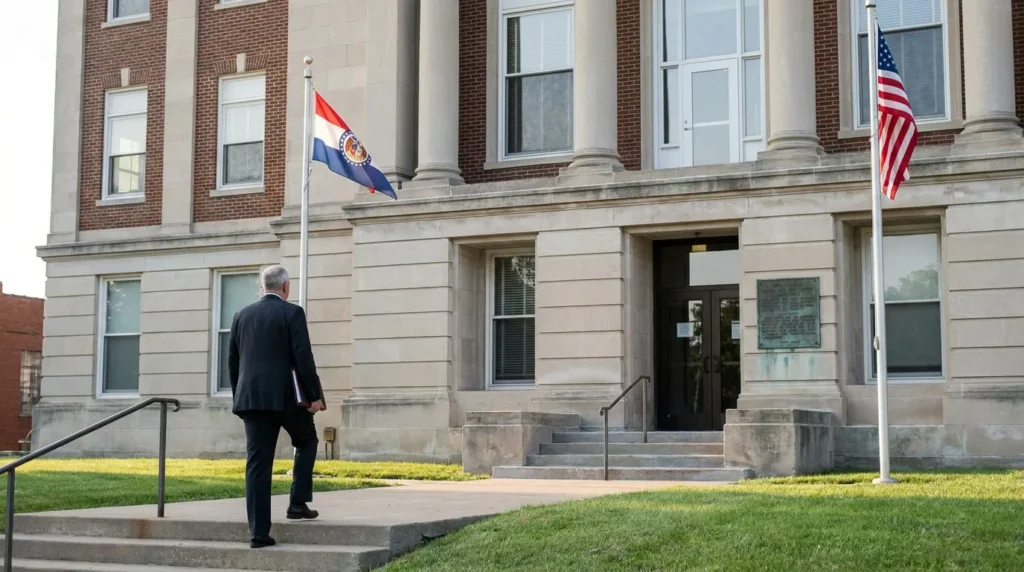
When a Teen’s Crash Settlement Needs a Judge’s Signature
Key Takeaways: In Missouri, a settlement of a minor’s injury claim generally does not take effect until a court approves it under RSMo § 507.184. RSMo § 436.700 creates a narrow exception: a parent with legal custody can settle without the court only if the total settlement is $35,000 or less, no conservator or guardian has been appointed, and the parent signs the required affidavit. The $35,000 figure generally includes medical expenses, liens, attorney’s fees, and costs, so serious teen injuries like concussions or spinal trauma can exceed it quickly. In a friendly suit, a judge may review whether the amount is fair, how liens and fees are handled, and how the child’s money will be protected, often through a conservatorship, though some courts accept other arrangements. Because an approved release can be very hard to reopen, early evidence gathering and thorough medical records can be key to a settlement that fully covers a teen’s recovery.
If your teenager was seriously hurt in a violent collision, the settlement that pays for their recovery may not be final when everyone signs. Missouri generally treats a minor’s injury claim differently from an adult’s. Under RSMo § 507.184, a next friend, guardian ad litem, guardian, or conservator can agree to a settlement for a minor, but the contract is not effective until approved by the court. Missouri created a narrow exception for smaller settlements under RSMo § 436.700. Serious teen injury claims involving concussions, neck trauma, or long-term rehabilitation often exceed that limit, so court approval is often the path to a binding recovery.
Horn Law moves quickly after an accident, knows how stronger cases are built, and handles every case from start to finish with the goal of maximizing recovery. We are here to help you protect yourself and stay ahead of the game. If you or someone you care about has been injured, don’t wait. Contact us today at 816-795-7500 to get same day representation and personalized legal guidance.

How the $35,000 Threshold Divides Missouri Teen Crash Claims
Missouri’s $35,000 threshold generally determines whether a parent can settle a minor’s claim alone or whether a court has to review it first. As of August 28, 2021, a person with legal custody of a minor may enter a settlement with any person or entity provided no conservator or guardian had been appointed at the time and the total settlement is $35,000 or less. Under this exception, the parent must also sign an affidavit stating they have made a reasonable inquiry and that either (a) the minor will be fully compensated by the settlement, or (b) there is no practical way to obtain additional amounts from the paying party. Check the current statute’s exact wording before relying on it.
The $35,000 figure may count more than the money your child actually keeps. According to one analysis, the threshold applies to the total claim amount, including reimbursement of medical expenses, liens, reasonable attorney’s fees, and costs. For a teen with a brain injury, emergency care, imaging, and months of physical therapy can push costs past that number quickly. The threshold will also change over time, adjusted every five years beginning January 1, 2027, based on the Consumer Price Index.
Why the Shortcut Rarely Fits Serious Injuries
A settlement for a serious injury is often a poor fit for the simplified process. Before the 2021 amendment, settlement of any claim involving a minor, regardless of amount, required court approval. The 2021 statute made small settlements easier to resolve, it did not reduce protections for larger ones. When a family is dealing with a concussion, spinal injury, or ongoing chiropractic care, signing an affidavit stating the child is "fully compensated" can be risky if the long-term prognosis is still uncertain.
| Settlement Situation | Court Approval Generally Required? | Key Authority |
|---|---|---|
| Total settlement of $35,000 or less, no conservator or guardian appointed | Generally no, if statutory conditions are met | RSMo § 436.700 |
| Total settlement above $35,000 | Yes, not effective until approved | RSMo § 507.184 |
| Conservator or guardian already appointed | Yes, the § 436.700 exception does not apply | RSMo §§ 436.700, 507.184 |
The Legal Reasons Behind Minor Settlement Court Approval in Missouri
Missouri requires court approval of minor settlements because a child generally cannot sign a binding release, and the law does not assume every adult-negotiated deal protects that child. Missouri generally requires a representative, usually called a next friend, to bring and resolve a minor’s claim. This Missouri Law Review analysis examines the procedural safeguards in Missouri probate and guardianship law that shape how a minor’s recovery is supervised.
The judge has real authority to protect your child’s interests, including the power to say no. Under RSMo § 507.184.3, the court has the power to hear evidence on and either approve or disapprove a proposed settlement contract for a minor’s claim. The court may also review the attorney fee contract and case expenses, closely examining whether the settlement amount matches the injuries.
The Role of the Next Friend
The next friend is the adult, usually a parent, who legally represents the minor in the claim. This person negotiates and signs for the child, but for claims requiring approval, the settlement is not binding until the court approves it. A release signed by the next friend binds the minor only if the court orders execution of the release or discharge of judgment. This Washington University Law Review article discusses the reasoning behind this representative structure.
What Happens in a Friendly Suit in Missouri
A friendly suit in Missouri is the court process families use to get approval for a settlement the parties have already negotiated. The name can be misleading, it is not a trial against the other side. Instead, the next friend asks the court to review the agreement, hear evidence, and enter an order approving it. Local procedures vary by county, so specific steps and timing can differ.
Court hearings in these cases usually focus on a few central questions. Judges may consider:
- Whether the settlement amount fairly reflects the teen’s injuries, including head, neck, and long-term rehabilitation needs
- How medical liens and outstanding bills will be paid
- Whether the attorney fee contract and case expenses are reasonable
- How the minor’s net funds will be protected until adulthood
How the Funds Are Protected
Court approval can also control where the money goes after the settlement. According to one source, attorneys have historically needed to establish a conservatorship if the settlement exceeds $10,000. Some courts accept other arrangements, such as annuities or restricted accounts, but only if they satisfy the statute. In one federal case applying Missouri law, the court rejected the argument that an annuity can substitute for the statutory conservatorship requirement, showing how closely courts may review how funds are held.
💡 Pro Tip: If you are considering a structured settlement for future therapy needs, raise the structure early in negotiations. Changing the payout structure after the court has scheduled a hearing can delay approval.
Why a Court-Approved Settlement Depends on How the Case Was Built
A judge can generally only approve what the record supports, so a court-approved settlement often depends on the strength of the evidence behind it. Horn Law’s pillars are Immediate Control After the Crash, Knowing How Stronger Cases Are Built, and Maximizing the Recovery. They matter most in minor settlements because there is usually only one chance to resolve the claim. Once a court approves a release, reopening it is generally very difficult.
Early legal work can shape the value of the case long before anyone schedules a hearing. That work includes preserving crash evidence, documenting concussion symptoms, and tracking chiropractic and physical therapy care. A teen’s recovery can change over months, and a settlement reached too early may not capture future treatment. Families weighing car accident settlement factors should know that courts generally focus on documented damages rather than general estimates.
What Separates Strong Representation
When choosing an attorney for a Missouri car accident minor claim, look at how that firm prepares the case for judicial review. A strong attorney builds the medical record, develops liability evidence, communicates clearly with the family, and presents the settlement in a way that addresses the court’s concerns. Our Missouri car accident minor lawyer team focuses on that kind of proactive work. With same day representation, the process begins as soon as you call, and much of it can be handled digitally without an office visit. Court approval may still require a hearing.
Frequently Asked Questions
1. Does every Missouri minor settlement need court approval?
Not always. Under RSMo § 436.700, a parent with legal custody may settle for $35,000 or less without court approval if no conservator or guardian has been appointed and the affidavit requirements are met. Settlements above that amount generally require approval under RSMo § 507.184.
2. Can I sign a release for my injured teen myself?
For larger claims, a parent acting as next friend can negotiate and sign. However, under RSMo § 507.184, the settlement is not effective until the court approves it, and the release binds the minor only when the court orders it.
3. Will the court consider my child’s future therapy needs?
Courts may hear evidence about the teen’s injuries and prognosis. That is why thorough medical documentation, including ongoing chiropractic and physical therapy records, can make a meaningful difference at the approval stage.
4. Where does the settlement money go after approval?
That depends on the court’s order and the amount. Larger settlements have historically required a conservatorship. Some courts may accept annuities or restricted accounts, but only if they meet statutory requirements.
5. Does the $35,000 threshold ever change?
Yes. The threshold is scheduled for Consumer Price Index adjustments every five years beginning January 1, 2027.
Protecting Your Teen’s Recovery From Start to Finish
Missouri’s court approval requirement exists to protect injured children, but the protection works best when the case behind the settlement is built well. For serious teen crash claims over the $35,000 threshold, the judge may review the amount, the fees, and how the funds are protected. Early investigation, careful medical documentation, and strategic negotiation can help put your child in a stronger position when that review happens. Every case depends on its own facts, and the right guidance can help protect your family’s interests throughout the process.
Horn Law is here for you, or your loved one, after a collision. With a 35-year track record of success in maximizing injury claims we can give you the guidance and support you deserve. If you or anyone you know has been injured, don’t wait. Contact us today at 816-795-7500 for same day representation.
Disclaimer: This content is for informational purposes only and is not legal advice. Every case is unique, and results may vary. Consult an attorney about your specific circumstances.