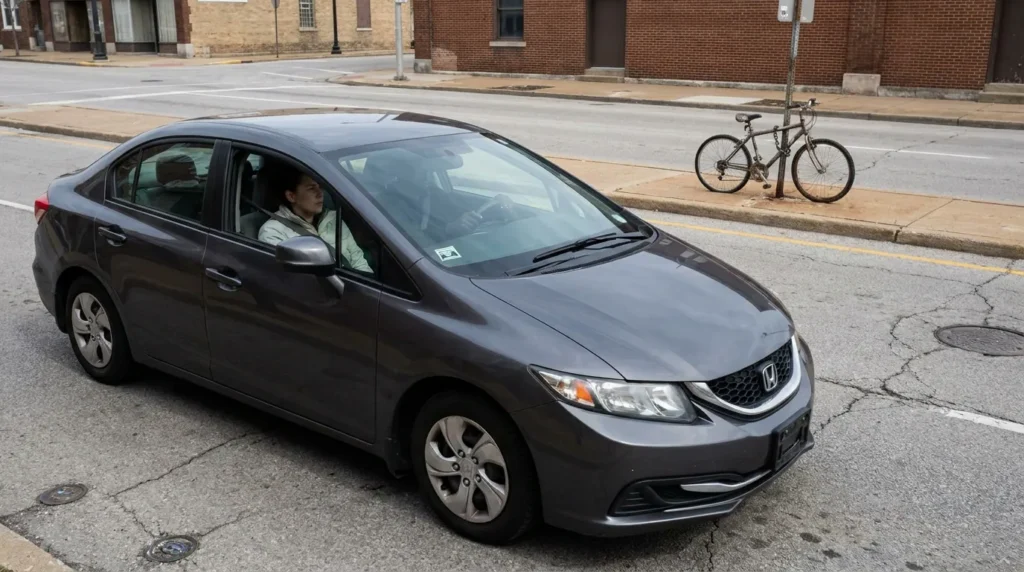
When the Meter Was Running: Understanding the Coverage That Applies to Your Uber Crash
Key Takeaways: Missouri’s $1 million rideshare liability layer under RSMo § 379.1702.3 generally applies only while a driver is engaged in a prearranged ride, a period under RSMo § 379.1700 that begins when the driver accepts a ride request, continues through transport, and ends when the passenger exits. If the driver was merely logged on awaiting a request, lower limits apply: $50,000 per person, $100,000 per incident, and $25,000 in property damage. Multiple carriers often dispute which policy responds. Access to the $1 million layer requires proving duty, breach, causation, and damages, which depends on preserving app data, trip records, scene evidence, and medical documentation. Missouri allows five years to file under RSMo § 516.120, but evidence degrades long before deadlines. Horn Law takes immediate control after crashes, builds liability and long-term damages, and offers same day representation at 816-795-7500.
If you were injured during an active Uber trip, the available coverage may differ dramatically from other moments in the app’s cycle. Missouri law requires a $1 million primary liability layer during the prearranged ride period, typically starting when the driver accepts the request through drop-off. That distinction matters enormously in serious cases involving traumatic brain injury, cervical spine damage, or surgical fractures, because the difference between state-minimum and $1 million coverage may determine whether long-term medical needs can be met.
Horn Law moves quickly after accidents, knows how stronger cases are built, and handles every case with the goal of maximizing recovery. If you or someone you care about has been injured, contact us today at 816-795-7500 for same day representation and personalized legal guidance.
The Statute Behind Missouri’s Rideshare Coverage Structure
Missouri’s transportation network company insurance requirements are set out in RSMo § 379.1702, enacted through 2016 legislation and generally effective August 28, 2016. Under RSMo § 379.1702.1, a driver or company must maintain primary automobile insurance recognizing rideshare activity and covering the driver while logged on and during prearranged rides. This is a statutory obligation, not voluntary coverage, and understanding its contours is the starting point of any serious uber accident claim in Missouri.
RSMo § 379.1702.3 governs on-trip crashes. This subsection applies "while a transportation network company driver is engaged in a prearranged ride" and mandates primary automobile liability insurance. This provision produces the $1 million figure attorneys build claims around when the app shows an active trip at impact.
Why Rideshare Insurance Tiers Change Everything About Your Claim
Missouri’s statute creates a tiered structure determined by what the driver was doing at collision. During the middle window, logged on but awaiting a request, RSMo § 379.1702.2 requires substantially less: $50,000 per person, $100,000 per incident, and $25,000 property damage, plus uninsured motorist coverage. For clients facing spinal fusion and months of therapy, that gap is not academic.
| App Status at Time of Crash | Coverage Framework Under Missouri Law |
|---|---|
| App off, personal use | Driver’s personal auto policy only |
| Logged on, awaiting a request | $50,000/$100,000 bodily injury and $25,000 property damage, plus UM coverage (RSMo § 379.1702.2) |
| Engaged in a prearranged ride | Primary liability requirements under RSMo § 379.1702.3, commonly cited as $1 million |
Because so much turns on app status, the statute builds in proof duties. RSMo § 379.1702.8 requires drivers to carry proof of coverage and disclose to interested parties, insurers, and law enforcement whether they were logged on or on a prearranged ride at accident time. These disclosures are frequently incomplete or undocumented, making early legal involvement critical.
Who Actually Carries the Policy
Missouri law doesn’t dictate a single coverage provider. RSMo § 379.1702 allows requirements to be satisfied by insurance maintained by the driver, the company, or both combined. In practice, injured persons may face several carriers, each disputing which policy responds and in what order.
The Personal Policy Floor Underneath It All
Every rideshare layer sits atop Missouri’s baseline financial responsibility requirement. The Missouri Department of Revenue maintains guidance on motor vehicle insurance requirements, obligating owners and operators to maintain liability coverage. Liability insurance pays the other party’s costs when the covered driver is at fault, making fault determination crucial to which policy responds.
A Note for Passengers Who Own Vehicles
Missouri’s no-pay/no-play statute (RSMo § 303.390) does not apply to rideshare passengers. The statute bars uninsured drivers and operators from recovering noneconomic damages in accidents involving the uninsured vehicle, subject to exceptions including when the at-fault driver was under the influence of alcohol or drugs or was convicted of a crime such as manslaughter or second-degree assault. The statute explicitly does not apply to passengers of uninsured vehicles, meaning rideshare passengers are generally unaffected by this bar regardless of their own insurance status. Still, raise any coverage questions with your attorney immediately.
💡 Pro Tip: Screenshot your Uber trip receipt, in-app trip map, and driver information before anything is deleted. That record can corroborate active-ride status independently of driver reports.
What Uber Period 3 Insurance Coverage Actually Requires You to Prove
Access to the $1 million layer isn’t automatic. You must generally establish negligence elements: duty, breach, causation, and damages. Where fault is contested or third parties contributed, analysis becomes complex, implicating multiple policies simultaneously.
Building proof requires deliberate, early work through:
- Prompt preservation of telematics, app data, and trip records before retention periods expire
- Scene documentation including vehicle positioning, damage patterns, and video
- Complete medical documentation connecting injury mechanism to diagnosis
- Treating provider and retained professional opinions on long-term care needs
- Damages records reflecting ongoing treatment and practical life impacts
For how these layers interact when injuries are catastrophic, see our discussion of who pays for a serious Uber crash.
The Deadlines That Govern a Missouri Uber Accident Claim
Missouri generally allows five years to file personal injury claims under RSMo § 516.120. Subdivision (4) covers "any other injury to the person or rights of another, not arising on contract," typically applying to passenger negligence claims from active rides. Different periods apply to wrongful death and claims against public entities.
Coverage disputes may fall under the same window. Subdivision (1) of RSMo § 516.120 reaches contract-based actions, and policy limitation provisions can affect timing. Fraud-based claims generally don’t accrue until discovery, with a ten-year outer limit under subdivision (5).
Tolling Is Possible, but Courts Read It Narrowly
The five-year period shouldn’t be treated as absolute or justify delay. Missouri’s tolling provision at RSMo § 516.170 has been applied in certain circumstances, but courts construe exceptions narrowly. Nothing is automatic.
Waiting damages cases before deadlines arrive. App data, dashcam footage, surveillance recordings, and witness memory degrade quickly. Evidence establishing which uber liability limits in Missouri applied is most available immediately, not years later.
How Horn Law Approaches an Active-Ride Rideshare Case
Horn Law’s pillars, immediate control, knowing how stronger cases are built, and maximizing recovery, apply directly to period 3 claims. Immediate control means we begin when you call, sending preservation demands, opening claims with proper carriers, and handling insurance communications. Building cases correctly develops both liability and the full damages arc, including rehabilitation, chiropractic, and physical therapy extending past initial recovery.
Maximizing recovery follows from proper setup. Settlement opportunities are limited, and loosely established claims may undersettle. As a Kansas City rideshare lawyer team serving Independence, Lee’s Summit, Liberty, and the metro, we handle these matters from intake through resolution, and our uber period 3 insurance coverage lawyer team works overlapping-coverage cases regularly.
You don’t need to visit an office. Everything can be handled digitally, which matters when dealing with concussions, neck injuries, or demanding treatment schedules. Same day representation means protective work starts immediately.
💡 Pro Tip: Don’t give recorded statements to rideshare insurers before consulting your attorney. Those statements are used to argue about app status, symptom onset, or injury severity before full diagnosis.
Frequently Asked Questions
1. Does the $1 million apply if the driver had not picked me up yet?
It can. RSMo § 379.1702.3 applies while engaged in a prearranged ride, generally beginning when the driver accepts the request, not at pickup. If only logged on without accepting a request, lower limits under RSMo § 379.1702.2 typically govern.
2. What if another motorist caused the crash while I was on an active trip?
Multiple coverages may apply: the at-fault motorist’s liability policy, the rideshare layer, and uninsured/underinsured motorist coverage, depending on fault allocation and available limits. Coordinating them is core to a missouri uber accident attorney’s work.
3. Can the driver’s personal policy and company policy both apply?
Under RSMo § 379.1702, requirements may be satisfied by the driver’s insurance, the company’s, or both combined. Identifying which insurer is on the risk is a first investigative step.
4. Is five years really how long I have to file?
RSMo § 516.120 generally provides five years for personal injury actions, but exceptions, tolling, wrongful death claims, and governmental parties can change the analysis. Deadlines should be confirmed with counsel based on your facts.
5. My symptoms did not appear until days later. Does that hurt my case?
Delayed onset is common with concussions and soft-tissue neck injuries, but documentation gaps can be used against you. Prompt evaluation and consistent treatment records strengthen the collision-injury connection.
Protecting What the Statute Makes Available to You
Missouri’s rideshare framework may provide meaningful protection during active rides, but the statute alone doesn’t deliver recovery. The applicable limit depends on app status, the responding carrier may be the driver’s, company’s, or both, and claim value depends on how thoroughly liability and long-term damages are documented from the beginning. Early, deliberate legal work positions serious injury claims for fair resolution.
Horn Law is here for you after a collision. With a 35-year track record of success in maximizing injury claims we can give you the guidance and support you deserve. If you or anyone you know has been injured, contact us today at 816-795-7500 for same day representation.
Disclaimer: This content is for informational purposes only and is not legal advice. Every case is unique, and results may vary. Consult an attorney about your specific circumstances.