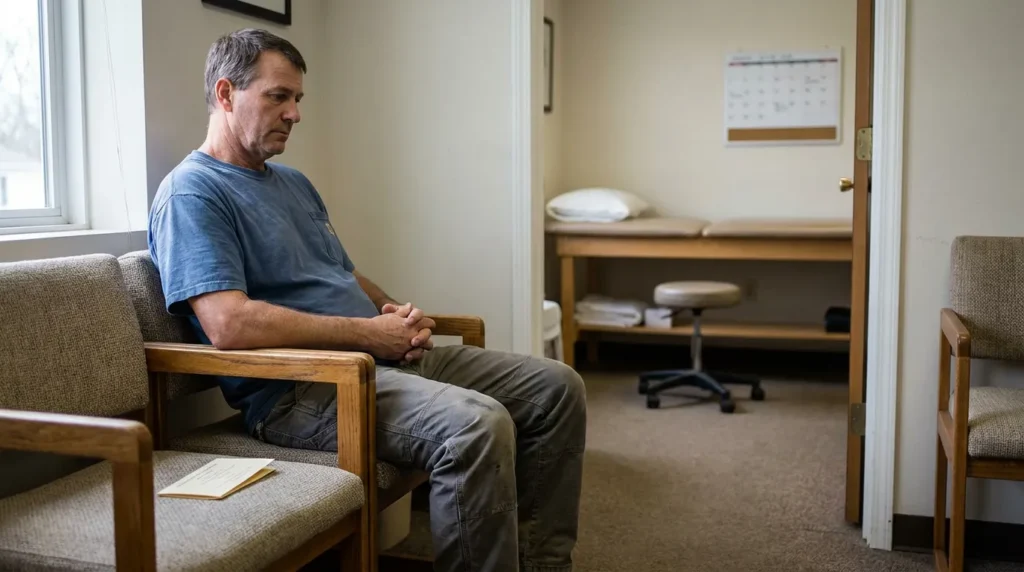
Why a Pause in Your Medical Care Becomes an Insurance Company’s Best Argument
Key Takeaways: Missouri insurers scan medical records for treatment gaps and use them to argue crash-related harm stopped, seeking to cut damages at the last documented visit. The harm is primarily evidentiary, as broken treatment timelines weaken causation opinions in concussion, neck, and back injury claims. Missouri follows pure comparative fault, adopted in Gustafson v. Benda (Mo. banc 1983) and codified for products liability in Mo. Rev. Stat. § 537.765. Treatment gaps are often framed as failure to mitigate damages, an affirmative defense requiring evidentiary support. Many gaps have legitimate explanations: referral delays, insurance or transportation issues, financial pressure, provider instructions, or temporarily improved symptoms. Documenting reasons contemporaneously, resuming care promptly, and avoiding recorded statements without counsel help protect the record. Horn Law prevents these problems by taking immediate control after collisions, building complete medical proof, and offering same day representation at 816-795-7500.
If you were seriously hurt in a Missouri collision and stopped treating for a few weeks, the adjuster’s tone may have changed. Insurers scan medical records for gaps and argue your injury resolved or that something else caused your pain. A gap in treatment car accident claim dispute often turns on whether your records tell a continuous, credible story.
Horn Law moves quickly after accidents, knows how stronger cases are built, and handles every case from start to finish to maximize recovery. If you or someone you care about has been injured, contact us today at 816-795-7500 for same day representation and personalized legal guidance.

What Adjusters Actually Mean When They Point to a Medical Records Gap
A treatment gap argument is often a causation argument dressed as a scheduling complaint. When an adjuster highlights six weeks without physical therapy, the assertion is that the crash stopped causing harm during that window. The insurer may attempt to cut off damages at the last documented visit and treat everything afterward as unrelated.
These arguments carry weight because juries and adjusters expect injured people to behave predictably. The assumption is that genuine pain drives consistent care. Real life rarely cooperates, and many gap reasons are entirely reasonable once documented.
Common, legitimate reasons for a lapse include:
- Waiting for referrals, imaging authorization, or specialty appointments
- Lack of health insurance, transportation, or ability to advance out-of-pocket costs
- Caring for children or returning to work out of financial necessity
- Provider instruction to rest, taper, or hold off on further therapy
- Symptoms that temporarily improved then returned, common with head and neck injuries
💡 Pro Tip: If you must pause treatment, tell your provider why and ask that the reason be written into the chart. A contemporaneous note explaining delay may be more persuasive than an explanation offered months later.
How Missouri’s Comparative Fault Rules Create the Incentive
Missouri applies pure comparative fault, meaning an injured person’s recovery may be reduced by their assigned percentage of fault rather than eliminated. Under the pure comparative negligence standard, plaintiffs may recover damages reduced by their fault percentage. This rule comes from Gustafson v. Benda, 661 S.W.2d 11 (Mo. banc 1983) in negligence cases. In products liability, Mo. Rev. Stat. § 537.765.1 abolishes contributory fault as a complete bar.
Because reductions are proportional rather than absolute, insurers aim to accumulate percentage points. Mo. Rev. Stat. § 537.765.2 provides that fault chargeable to the plaintiff diminishes proportionately the compensatory damages but does not bar recovery.
This framework contains a protection adjusters rarely mention. Section 537.765.2 requires defendants plead and prove plaintiff’s fault as an affirmative defense. Post-crash conduct, like pausing treatment, is more commonly framed as failure to mitigate than fault contributing to the collision. Either way, insurers asserting your treatment gap worsened your injury generally bear the burden of establishing it.
Where Treatment Gaps Genuinely Hurt a Serious Injury Claim in Missouri
The real damage is evidentiary rather than legal. Medical records serve as the timeline connecting collision force to current limitations. When that timeline breaks, treating physicians have less to rely on for causation opinions, and defense physicians gain room to suggest intervening causes.
Head Injuries and Concussion Documentation
Concussion symptoms often fluctuate, making consistent documentation especially valuable. Headaches, light sensitivity, sleep disruption, and cognitive fog can wax and wane over months. A patient feeling better for three weeks may reasonably skip follow-up. Without visit notes tracking fluctuations, later symptom returns may become easier for insurers to characterize as unrelated.
Neck, Back, and Long-Term Rehabilitation Care
Chiropractic and physical therapy records are frequently the backbone of cervical or lumbar injury claims. These providers document range of motion, functional limitations, and treatment response over time, evidence needed to establish future care needs. Sporadic attendance may undermine that arc, an issue we address regarding whether a delayed diagnosis can weaken a neck injury claim.
Why Missouri Courts Treat Lapses as Meaningful Breaks
Missouri law has recognized that substantial lapses between treatment episodes may sever a course of care. In a 1997 decision annotated to Mo. Rev. Stat. § 516.105, a nine-year lapse between surgery and later procedures was held not to constitute continuing care for tolling purposes. That holding is narrow, involves an unusually long lapse, and arises in the medical malpractice tolling context rather than car accident damages. No Missouri statute or case makes treatment gaps a legal bar to recovering damages.
Timing Rules That Quietly Pressure Delayed Claims
Missouri’s general five-year limitations period governs most personal injury claims. Mo. Rev. Stat. § 516.120(4) reaches an action for any other injury to the person or rights of another, not arising on contract. That window is generous, but evidence quality erodes long before the deadline. Wrongful death claims under Mo. Rev. Stat. § 537.100 carry a three-year period.
Different claims carry different clocks, and exceptions are generally interpreted narrowly. Claims against health care providers fall under Mo. Rev. Stat. § 516.105, generally requiring suit within two years of the act complained of, and requiring service within 180 days of filing or the court shall dismiss.
| Missouri Timing Provision | General Scope | Practical Significance |
|---|---|---|
| Mo. Rev. Stat. § 516.120(4) | Most negligence-based injury claims | Five-year outer filing window; does not preserve evidence |
| Mo. Rev. Stat. § 516.105 | Claims against health care providers | Generally two years, with strict service requirements and repose limit |
| Mo. Rev. Stat. § 537.765.2 | Comparative fault allocation in products liability | Fault reduces damages proportionately; must be pled and proven |
Deadlines are fact-dependent. Which provision applies can turn on defendant identity, injury nature, whether a governmental entity is involved, and when the claim accrued. Those determinations belong in a conversation with an attorney.
How Horn Law Protects the Continuity of Care Record
Horn Law’s pillars begin with taking immediate control after the crash, where treatment gap problems are often prevented rather than repaired. When we are involved within hours of a collision, we help clients connect to appropriate providers, confirm referrals move forward, and identify coverage sources that make consistent care possible. Preventing a lapse is far more effective than explaining one after an adjuster has anchored a low number.
The second pillar, knowing how stronger cases are built, shapes how we develop medical proof. That means gathering complete records, working with treating providers on causation and future care opinions, and documenting how head or neck injuries have changed daily function. Our work on gap in treatment car accident claim Missouri matters extends across every serious collision case.
The third pillar, maximizing the recovery, ties the first two together. A settlement generally resolves a claim permanently, so value may be influenced by decisions made long before negotiations begin. Same day representation matters for exactly that reason. You can call, and the process begins immediately.
💡 Pro Tip: Keep a brief personal symptom journal alongside medical care. Short dated entries describing pain levels, missed work, and activities you could not perform provide context clinical notes often omit.
Practical Steps That Strengthen a Gap in Treatment Car Accident Claim
If a lapse has occurred, the goal is explanation and resumption rather than concealment. Return to care promptly, tell the provider honestly what happened during the interval, and avoid characterizing yourself as fully recovered if you are not. Insurers generally obtain the same records you do through authorizations or discovery.
Avoid giving recorded statements about your treatment history without counsel. Adjusters often ask open-ended questions about how you have been feeling, and casual answers may become quotations in a valuation memo.
Frequently Asked Questions
1. How long does a gap have to be before it affects my claim?
No fixed threshold exists in Missouri law. Insurers frequently raise gaps of thirty days or more, particularly when treatment before and after involves different providers or body parts.
2. Can an insurer reduce my settlement solely because I stopped treating?
An insurer may argue for reduction in negotiations. In litigation, defenses such as failure to mitigate must be pled and proven, and under Mo. Rev. Stat. § 537.765.2 fault chargeable to a plaintiff diminishes damages proportionately. Persuasiveness depends on medical evidence and lapse circumstances.
3. What if I could not afford to continue treatment?
Financial inability is a common and often persuasive explanation, supported through provider notes, billing records, and testimony. An attorney may help identify medical payments coverage, health insurance, or other resources allowing care to continue.
4. Does Missouri’s five-year deadline mean I can wait to hire an attorney?
Waiting is generally unwise. Mo. Rev. Stat. § 516.120 sets an outer boundary for many injury claims, but shorter deadlines can apply. Witnesses relocate, vehicle data is overwritten, and treatment records develop in real time, so delay may reduce claim value.
5. Will my case be worth less if I only treated with a chiropractor?
Not necessarily. Consistent chiropractic and physical therapy documentation frequently establishes functional limitations and future care needs. Persuasive weight depends on record completeness and supporting medical opinions.
Protecting the Story Your Records Tell
A break in your medical care is not a verdict on your injury, but may be an opening insurers are trained to use. Missouri’s pure comparative fault system rewards accumulation of percentage-point arguments, and treatment gap insurance tactics exist because proportional reductions do not require defeating your claim outright. One reliable protection is continuity: consistent care, thorough documentation, and a legal team managing the claim before the adjuster shapes the narrative.
Horn Law is here for you after a collision. With a 35-year track record of success in maximizing injury claims we can give you the guidance and support you deserve. If you or anyone you know has been injured, contact us today at 816-795-7500 for same day representation.
Disclaimer: This content is for informational purposes only and is not legal advice. Every case is unique, past results do not guarantee future outcomes, and results may vary. Consult an attorney about your specific circumstances.