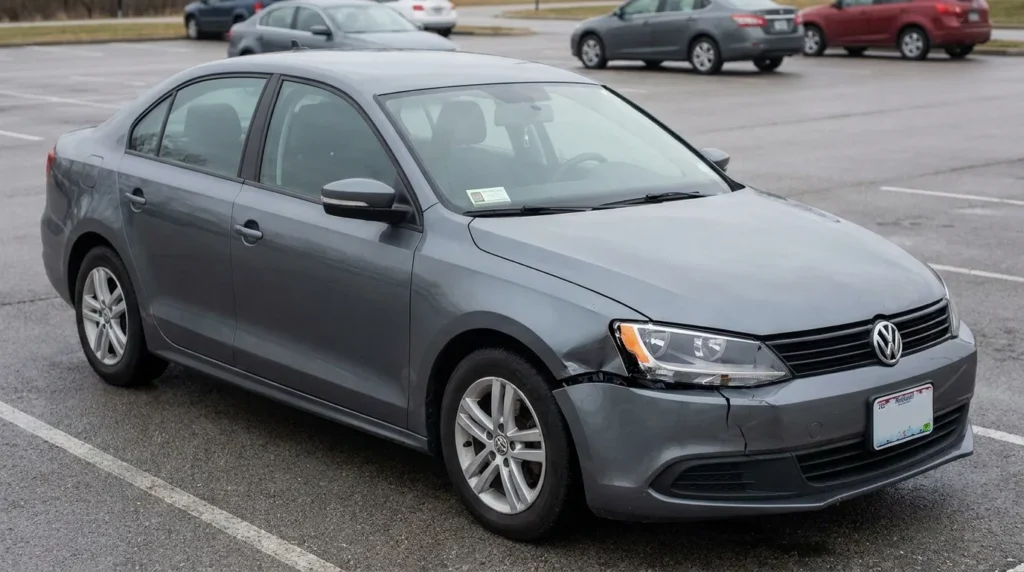
The Digital Witness Inside a Wrecked Vehicle
Key Takeaways: Modern vehicles contain event data recorders capturing pre-crash speed, throttle, braking, steering, and seatbelt data seconds around impact, providing objective evidence in reckless collisions. In Missouri, defendants fifty-one percent or more at fault may be jointly and severally liable for compensatory damages. The challenge: wrecked vehicles can be repaired, sold, or scrapped within weeks, potentially long before Missouri’s five-year personal injury and three-year wrongful death filing deadlines. Horn Law sends preservation demands promptly, secures vehicle holds, retains qualified reconstruction professionals for manufacturer-approved downloads, and corroborates data with crash reports and video. In fatal cases where only one wrongful death action may be brought, early work can mean the difference between documented and unsupported claims. With same day representation and fully digital process, preservation can begin the afternoon you call.
When a reckless driver causes a violent collision, the most reliable account often isn’t witness memory, it’s the vehicle itself. Modern cars contain event data recorders capturing information in the seconds surrounding impact, including pre-crash speed, throttle position, braking, steering input, and seatbelt status. Federal regulation at 49 C.F.R. Part 563 sets minimum data elements and survivability standards for equipped vehicles. This information can turn disputed liability into documented proof, but only if secured before the vehicle is repaired, sold, or crushed.
Horn Law moves quickly after accidents and handles every case from start to finish with the goal of maximizing recovery. If you or someone you care about has been injured, contact us today at 816-795-7500 for same day representation and personalized legal guidance.

Why Event Data Recorder Crash Evidence Changes the Value of a Claim
Objective data changes conversations with insurance carriers. In serious head and neck injury cases, particularly traumatic brain injuries and cervical disc injuries, insurers frequently argue crash forces were modest or fault should be shared. Recorded pre-impact speed of eighty miles per hour with no braking input is difficult to reframe as ordinary carelessness. Missouri follows pure comparative fault, so an injured person’s fault percentage reduces recovery proportionately.
Missouri’s fault allocation rules make this evidence financially significant. Under RSMo § 537.067.1, defendants found bearing fifty-one percent or more of fault may be held jointly and severally liable for the judgment. Defendants below that threshold are generally liable only for their attributed percentage. Pushing a reckless driver’s fault above that line may affect whether a family collects on a judgment.
Juries decide percentages without knowing what’s at stake. RSMo § 537.067.3 prohibits disclosing to the trier of fact the effect of that section. The evidentiary record carries the burden of establishing fault percentages, which is why objective event data recorder crash evidence can matter more than persuasive argument. What the module recorded doesn’t change under cross-examination.
Punitive damages follow a different rule. RSMo § 537.067.2 provides defendants are severally liable only for their percentage of punitive damages. Punitive damages require proof by clear and convincing evidence of culpable mental state, and under RSMo 510.261 generally may be pleaded only with leave of court. This distinction affects strategy from the earliest stages of a reckless driving claim.
The Preservation Window Is Much Shorter Than the Filing Deadline
Missouri’s civil deadlines and crash data life are two very different clocks. RSMo 516.120(4) sets a five-year period for actions "for any other injury to the person or rights of another, not arising on contract." Wrongful death claims are governed by a three-year period under RSMo 537.100, and claims against public entities can carry additional notice requirements and shorter deadlines.
Meanwhile, the vehicle may be gone in weeks. A totaled car is often released to a salvage yard, auctioned, or dismantled long before any lawsuit is contemplated. Once the module leaves your control, so may the leverage it provided. This is where crash data retrieval cases can be won or lost.
What a Prompt Preservation Effort Generally Involves
- Written spoliation and preservation demands to the at-fault driver, insurer, tow yard, and any commercial carrier involved
- Locating and placing holds on vehicles before repair, resale, or destruction
- Retaining qualified reconstruction professionals to perform vehicle data download using manufacturer-approved tooling
- Securing police crash reports, scene photographs, roadway evidence, and video for cross-checking
💡 Pro Tip: Do not authorize your insurer to release or dispose of your damaged vehicle until the module has been imaged. A release form signed in the first week can quietly eliminate the strongest proof in the case.
How Corroborating Records Strengthen Black Box Evidence in Missouri
A data download rarely stands alone. The police crash report is a core corroborating record, and Nolo notes that an auto accident report likely includes a scene diagram detailing vehicle positions, road and weather conditions, lighting, and skid marks. When the diagram, physical roadway evidence, and recorded speed all align, the defense may have little room to maneuver.
The vehicles themselves also carry proof. Guidance on preserving physical evidence explains that vehicle damage can help demonstrate collision forces.
When preservation is not practical, documentation is the backup. Nolo advises taking extensive photos and video if the object itself cannot be kept. Our related guidance on preserving crash evidence in Missouri walks through practical steps in more depth.
| Evidence Source | What It Typically Shows | Preservation Urgency |
|---|---|---|
| Event data recorder | Pre-impact speed, throttle, braking, seatbelt use | Very high; tied to vehicle custody |
| Crash report and diagram | Vehicle positions, skid marks, conditions | Moderate; obtainable after the fact |
| Vehicle damage and photos | Impact points and collision forces | High; lost at repair or salvage |
| Surveillance and dash video | Driver behavior before impact | Very high; often overwritten quickly |
When a Reckless Crash Becomes a Fatality Case
Missouri wrongful death law reaches conduct that would have supported a claim had the person survived. Mo. Rev. Stat. 537.080.1 permits wrongful death actions where death results from any act that would have entitled the person to recover damages had death not resulted. Fatal reckless driving collisions may fall within that framework, and recorded speed and braking data can supply evidence of underlying conduct.
Standing follows a defined hierarchy. Under Mo. Rev. Stat. 537.080.1, the right to sue rests first with the spouse, children or lineal descendants, and parents; then with siblings or their descendants; and finally with a court-appointed plaintiff ad litem.
Why There Is Effectively One Opportunity
Mo. Rev. Stat. 537.080.2 provides that only one action may be brought under that section against any one defendant for the death of any one person. That single-action rule raises stakes on early preservation considerably. Filing an unsupported case because data was never captured is generally not a mistake that can be corrected.
The Damages the Statute Recognizes
Mo. Rev. Stat. 537.090 addresses recoverable damages, including pecuniary losses suffered by reason of death, funeral expenses, and reasonable value of services, consortium, companionship, comfort, instruction, guidance, counsel, training, and support survivors would have received. Missouri courts have generally held that a survivor’s own grief and bereavement are not separately compensable, although loss of companionship and comfort are. The provision also allows consideration of mitigating and aggravating circumstances, and recorded throttle and speed data may bear on the aggravating side.
When Data Goes Missing or Is Concealed
Missing data is not necessarily the end of a case. RSMo 516.120(5) provides that an action for relief on the ground of fraud is deemed not to have accrued until discovery by the aggrieved party, at any time within ten years. That provision governs fraud claims specifically and does not extend the deadline for ordinary negligence claims.
When a party destroys evidence after receiving notice to preserve it, Missouri courts may under certain circumstances apply the spoliation doctrine and permit an adverse inference. A timely, documented preservation demand from an accident evidence attorney may be what makes that argument possible.
How Horn Law Approaches These Cases From Day One
Horn Law’s pillars are immediate control after the crash, knowing how stronger cases are built, and maximizing the recovery. Immediate control means preservation letters going out while the vehicle is still in a tow yard. Building the case correctly means pairing that data with medical documentation of head, neck, and spinal injuries and long-term rehabilitation.
You do not need to come to an office to start. Everything can be handled digitally, from initial consultation through document signing. Our team serves Independence, Lee’s Summit, Liberty, Overland Park, and the surrounding Kansas City communities, and same day representation means preservation can begin the same afternoon you call. If you are weighing who should handle a serious reckless driving attorney matter, the speed of that first response is a fair measure of the firm.
Frequently Asked Questions
1. Does every vehicle contain an event data recorder?
No. Federal law does not require every vehicle to have one. Availability and recorded parameters vary by manufacturer, model year, and module condition. A qualified reconstruction professional can determine early whether a usable download is possible.
2. Who owns the data in the at-fault driver’s vehicle?
Federal law and many state statutes treat recorded data as belonging to the vehicle owner or lessee, subject to exceptions. Formal legal process may be required to obtain a download from another party’s vehicle.
3. How quickly should preservation begin after a serious crash?
Within days. Vehicles may move to salvage, video may be overwritten, and roadway evidence can disappear well before Missouri’s civil filing deadlines approach.
4. Can black box data hurt my case?
It can cut both ways, which is why it should be evaluated by counsel rather than volunteered to an insurer. An honest assessment of the full record generally produces a stronger negotiating position than avoidance.
5. Does the five-year deadline apply to a wrongful death claim?
No. Wrongful death actions in Missouri are generally governed by the three-year period in RSMo 537.100 rather than the five-year period in RSMo 516.120. Claims against public entities may involve separate notice requirements.
Protecting What the Vehicle Already Recorded
The strongest reckless driving cases are often where objective proof was captured before anyone had reason to dispute it. Missouri’s fault allocation rules, the single-action limit in wrongful death cases, and the short physical life of a wrecked vehicle all point toward the same conclusion: decisions made in the first days may shape what is recoverable years later. Securing black box evidence Missouri families can rely on is not routine, it can form the foundation of the case.
Horn Law is here for you after a collision. With a 35-year track record of success in maximizing injury claims we can give you the guidance and support you deserve. If you or anyone you know has been injured, don’t wait, contact us today at 816-795-7500 for same day representation.
Disclaimer: This content is for informational purposes only and is not legal advice. Every case is unique, and results may vary. Consult an attorney about your specific circumstances.